

On the roads of Pakistan, a country where the gap between the haves and have-nots is in danger of becoming a chasm, a quiet contradiction is becoming harder and harder to ignore. From Lamborghinis to Porsches to Ferraris, scores of ultra-luxury cars can be seen gliding through major cities, leaving awe-inspired spectators in their wake. Sometimes, the ‘owners’ of these status symbols use them to amplify their presence on social media, drawing a plethora of envious comments.
Yet, on paper, many of these luxury vehicle owners report incomes that barely register against the value of the vehicles they drive. Officials are at pains to point out, however, that owning expensive items is not a crime in and of itself. However, the gap between visible wealth and declared earnings in many cases is so wide that it warrants scrutiny to ascertain whether these assets are properly documented as per the law.
In Pakistan, tax compliance remains among the lowest in Asia. According to reports, less than two per cent of the population pays income tax, and the state’s chronic revenue shortfalls have pushed it repeatedly into International Monetary Fund (IMF) programmes.
Against this backdrop, the open display of extreme wealth, coupled with modest or negligible tax filings, has begun to test not just enforcement capacity but the credibility of the tax system itself.
This disconnect is what triggered a shift in how the state monitors its taxpayers; in September 2025, the Federal Board of Revenue (FBR) quietly operationalised its special unit called the Lifestyle Monitoring Cell (LMC). This was a digital subdivision within FBR, designed to do what traditional audits often failed to achieve, i.e. match publicly-available displays of wealth with people’s declared incomes.
Relying on open-source intelligence, the cell represents a departure from paper-based scrutiny towards real-time observation of wealth, behaviour and spending. To improve enforcement, five regional offices were established in Karachi, Hyderabad, Lahore, Faisalabad, and Multan. These, along with the main unit, operate under the jurisdiction of the Director General of Intelligence and the Inland Revenue Department’s investigation division, to ensure legal cover for their activities..
In less than three months, the LMC detected an estimated Rs12.3 billion in concealed assets across 38 cases – largely linked to luxury vehicles, high-end events, frequent international travel, and other premium assets.
Within weeks, LMC’s focus moved squarely into the public domain. A team of 40 FBR investigators began systematically scanning different social media platforms, cross-checking individuals whose online lifestyles appeared disproportionate to their tax filings.
Authorities stress that the objective is not to target fame or status, but to identify mismatches between lifestyle and tax compliance, with social media serving as an evidentiary starting point, rather than a conclusion.
In less than three months, the LMC detected an estimated Rs12.3 billion in ‘concealed’ assets across 38 cases – largely linked to luxury vehicles, high-end events, frequent international travel, and other premium assets.
A breakdown of the data analysis shows that 19 cases are purely linked to luxury vehicles, followed by seven cases involving expensive weddings, while five are related to foreign travel.
Another four cases involve foreign travel combined with high-value personal acquisitions, including luxury cars, horses, and wedding-related spending, while one case is linked to the purchase of an exotic motorbike.
In the cases involving foreign travel, the individuals in question had not declared the related expenditures in their tax returns.
The LMC scans social media platforms, including Facebook, Twitter, Instagram, TikTok, and YouTube, to identify influencers, celebrities, real estate magnates, businesspeople, and individuals with a high net worth, whose public displays of wealth appear inconsistent with their declared tax profiles.
Tax officials say the exercise has moved beyond paper disclosures, with concealed income identified through open-source intelligence, gathered via social media, which feeds directly into their enforcement work.
The LMC has matched visible consumption with income tax returns for the tax year 2025 and issued tax concealment notices to the relevant Regional Tax Offices (RTOs) for further action in major cities of the country.
“In more than 70pc of the cases, the identified individuals have been selected for audit,” an FBR official said, speaking on the condition of anonymity, adding that the investigations are based on “firm grounds”.
“Those under scrutiny will be required to justify the sources of income used to acquire fleets of luxury vehicles and other high-value assets.”

There is also another side to this story: self-expression or show-casing one’s lifestyle can now attract the attention of the taxman. As the scope of enforcement expands into online spaces, questions are emerging that go beyond tax recovery.
“This new enforcement drive blurs the boundary between personal display and professional accountability,” a taxpayer, who chose not to be named, told Dawn.
Observers note that the heightened scrutiny of social media may push individuals to stop public displays of luxury altogether, not necessarily to improve compliance, but to stay out of the digital taxman’s line of sight.
There is also a wide variation in spending patterns and lifestyle visibility across provinces and cities. Faisalabad and Sialkot, for instance, are widely associated with some of the most expensive cars seen on social media, yet only one such vehicle is on the FBR’s radar so far.
That case surfaced after the vehicle’s driver was penalised for speeding, with the incident going viral on social media and drawing official attention.
A breakdown of the afore-mentioned 38 cases shows that Lahore accounts for 10, followed by Karachi with seven. Bahawalpur accounts for four cases, Islamabad three, Multan two, while one case each has been recorded from Sargodha, Rawalpindi, Abbottabad, and Gujranwala.
Officials say eight additional cases are in the final stages of scrutiny and are expected to be concluded soon.
These include one high-value case from an industrial town in Punjab involving what is described as the “city’s most expensive Lamborghini”, while the remaining cases are linked to different cities across Punjab.
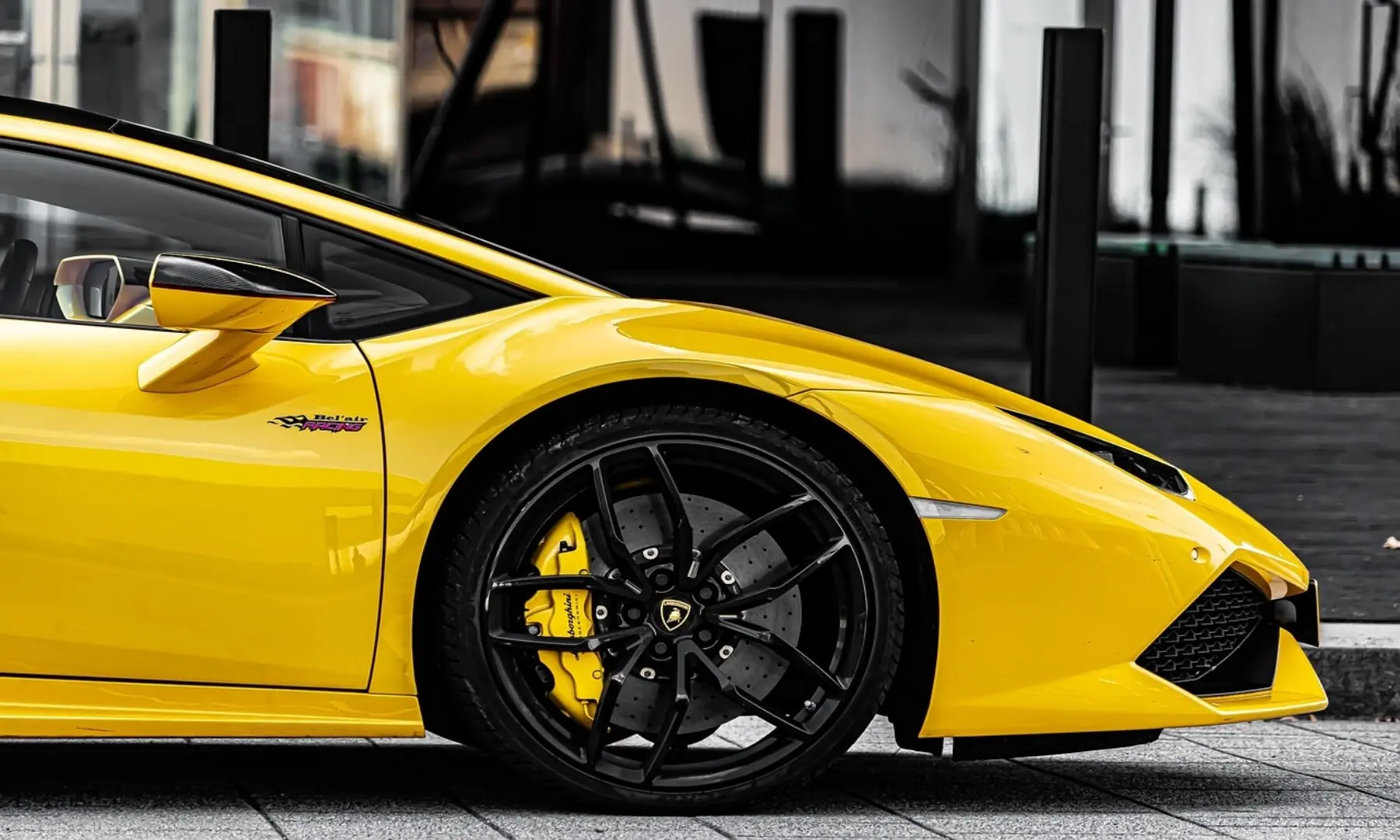
Most cases flagged by the LMC centre on luxury vehicles, where ownership patterns sharply diverge from declared incomes in tax returns. Official data shows that 21 individuals were found displaying high-end cars on their social media accounts, often registered in multiple cities, while reporting income levels that could not justify such assets.
These luxury vehicles were not declared in the individuals’ wealth statements, and will now be examined through individual audits, officials said. The LMC is using income tax returns for the tax year 2025 to determine the extent of concealed income linked to the possession of these vehicles.
According to tax officials, the aggregate value of vehicles under investigation exceeds Rs10.6bn. However, in several cases, the declared taxable income remained minimal or inconsistent with the assets reflected in wealth statements.
Three individuals, two based in Lahore and one in Karachi, were identified as owning fleets of vehicles valued at more than Rs1bn. None of these assets was declared in their wealth statements, indicating a possible concealment of income.
One Lahore-based individual stands out for the sheer scale of high-end vehicle ownership.
Officials say the taxpayer was found to possess 30 luxury vehicles, including two Lamborghini Aventadors valued at Rs300m each, a Rolls-Royce Phantom worth Rs280m, a Bentley Continental GT priced at Rs200m, a Mercedes S600 Maybach valued at Rs180m, two BMW 7 Series cars worth Rs110m each, two Lexus LX-570 vehicles at Rs110m each, and two Porsches valued at Rs50m each.
The remaining 17 vehicles were assessed at values ranging between Rs25m and Rs100m per car, excluding two lower-priced units.
The total market value of the fleet has been estimated at Rs2.7bn. According to the FBR, none of these high-value vehicles were declared by the taxpayer in income tax returns filed over the years.
An initial assessment by tax officials indicates that the cost of the vehicles is 937 times higher than the net assets declared by the taxpayer for the tax year 2019, pointing to what officials describe as a gross misdeclaration and non-disclosure of income and expenditures.
Another Lahore-based individual was found to be in possession of 11 luxury vehicles, with a combined market value of Rs1.05bn.
Here too, the FBR said the cost of the vehicles alone exceeds more than double the net assets declared by the taxpayer in their income tax returns.
A Karachi-based taxpayer was also found to be in possession of 26 luxury vehicles, but had not correctly reported his actual wealth or income in tax declarations. According to tax officials, none of the luxury vehicles owned by the individual were declared in income tax returns, whose total market value was estimated to be around Rs1.163bn.
The most expensive vehicle in their collection is a Honda NSX, valued at Rs140m, followed by a 1958 Mercedes 190SL estimated at Rs130m, a 1938 Rolls-Royce Wraith valued at Rs110m, a 1954 Mercedes Adenauer 300 at Rs95m, and a 1931 Blue Kaufen estimated at Rs90m. The remaining vehicles in the collection were assessed at values ranging between Rs2m and Rs65m.
In a country where a 1,001-horsepower supercar has become the ultimate status symbol, a purple Lamborghini Revuelto, estimated to cost Rs508m, was recently flagged by the City Traffic Police in the industrial heartland.
Several other individuals own fleets of vehicles worth hundreds of millions of rupees, but have not declared these assets in their wealth statements. Analysis of the data shows that one individual from a city in south Punjab was found to possess vehicles valued at an estimated Rs624m, while another from the same city owned vehicles worth Rs180.50m.
In other cities, undeclared vehicle fleets were identified with estimated values of Rs479.36m in Rawalpindi, Rs167m in Sargodha, Rs574m in Multan, Rs415m in Lahore, Rs686m in Islamabad, Rs224m in Lahore, Rs569m in Karachi, and Rs138m in Islamabad.
Eight additional cases involving fleets of expensive vehicles are currently in the pipeline, officials say.
These cases, they say, further underline how investment in luxury vehicles has become a common practice, often used by affluent individuals as a means of parking wealth while keeping it outside the tax net.
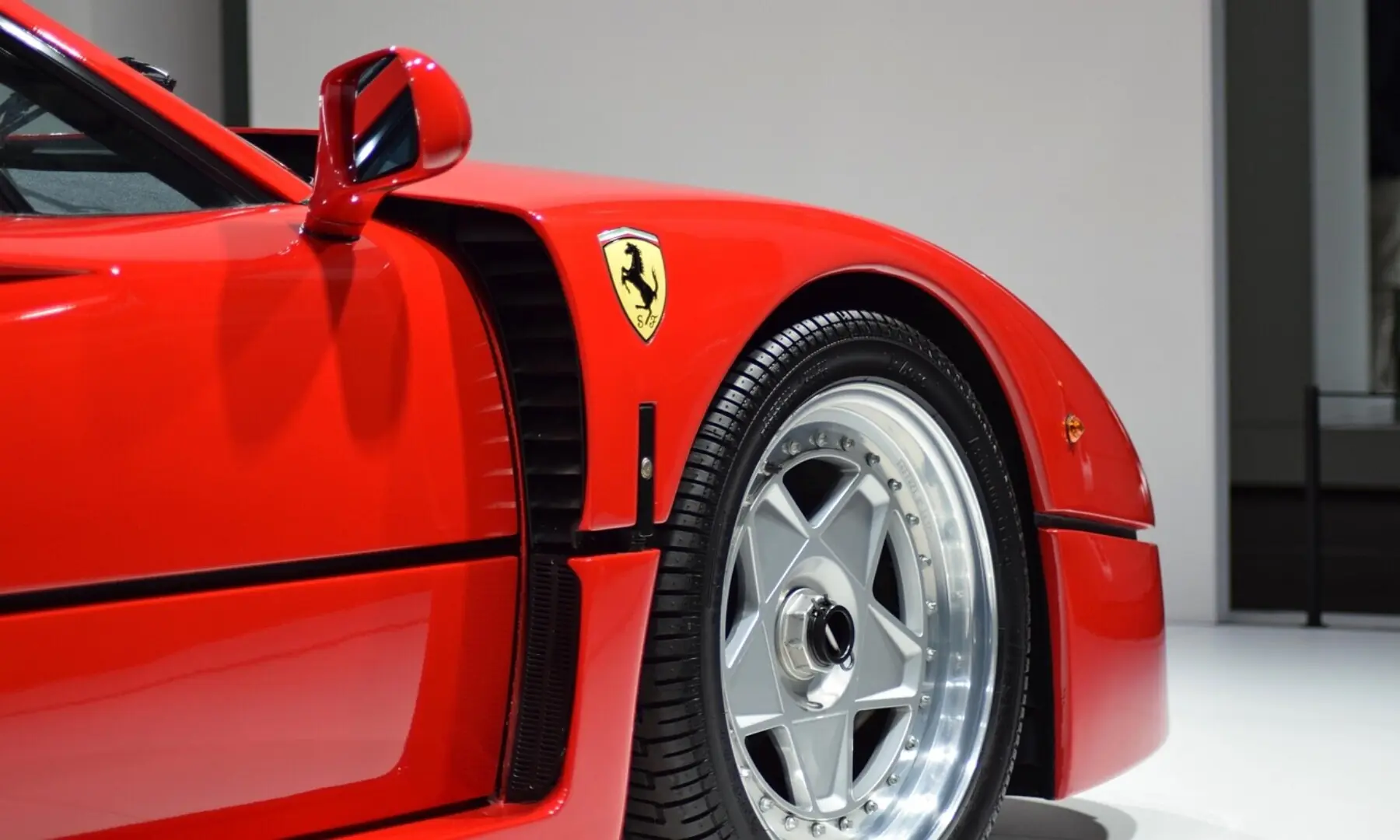
After luxury vehicles, the next major lifestyle category under scrutiny is lavish weddings. Officials estimate that the cost of just seven such ceremonies that are under the scanner stands at Rs725.6m: three cases were detected in Lahore, followed by two in Karachi, and one each in Islamabad and Multan.
These weddings involved multi-day celebrations where designer wardrobes, jewellery, premium venues, and high-end entertainment collectively pointed to undeclared liquidity.

In several cases, the families hosting these events had declared modest income in their returns, including salaried employment or small business earnings, while financing celebrations that featured imported décor and celebrity performers.
Tax officials estimate concealed income ranging between Rs55.5m and Rs238m per case, based on assessments of the scale, vendor pricing, and duration of the events in question.
According to officials, these expenses were again not reflected in the taxpayer’s wealth statement.
Taxmen have relied heavily on tagged service providers, event planners, jewellers, and fashion designers to reconstruct spending estimates.
Unlike asset-based cases, the investigation focuses on cash flow rather than ownership, with officials stressing that such expenditures are treated as indicators of undeclared earnings, rather than taxable events in themselves.
Four cases involve frequent foreign travel, often to premium destinations, and are documented extensively through personal social media accounts. Unlike vehicles or property, the LMC has not assigned precise monetary values to these trips.
Instead, travel frequency itself has been treated as a risk indicator.
In these cases, individuals reported limited domestic income and no foreign earnings, yet travelled multiple times each year, often staying in luxury accommodation and engaging in high-end leisure activities.
Two cases involving celebrities were detected by the LMC, one in Lahore and the other in Karachi.
Tax officials say several other celebrities are not yet on the radar of digital tax enforcement despite indications of concealed assets, but may be netted once the scope of scrutiny widens.
In the Lahore case, a playback singer was identified as having concealed assets estimated at Rs224m.
According to officials, the taxpayer owns expensive vehicles, including Range Rovers and Mercedes models, while digital footprints point to consistently high-value spending patterns that are not supported by declared earnings or expenses in tax filings.
Officials noted that the cost of the vehicles alone is almost double the taxpayers’ declared net assets, even before accounting for declared income.
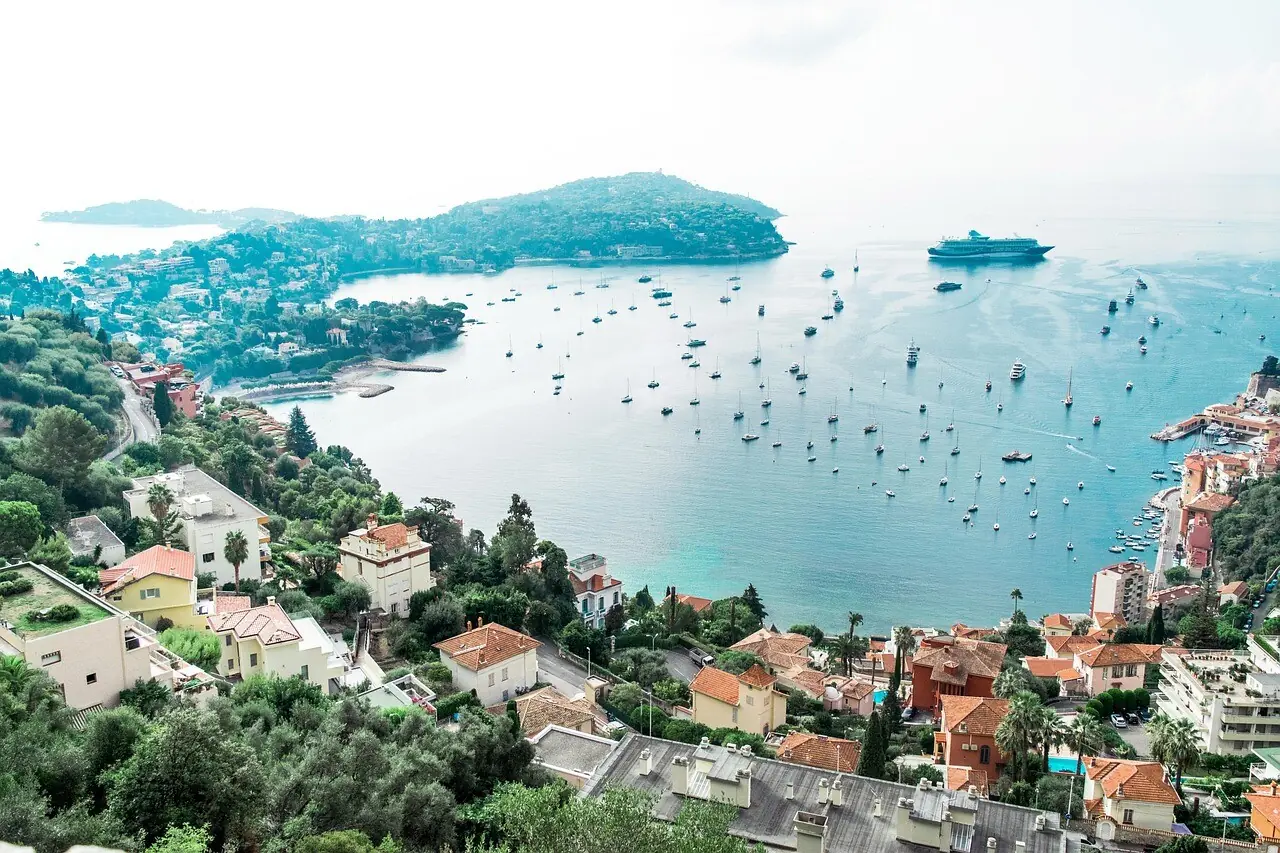
Meanwhile, a Karachi-based actor’s concealed assets have been estimated at Rs403.534m, according to tax officials.
Officials said the actor has travelled extensively within the country and abroad, frequently using private jets and chartered flights, and has stayed in high-end hotels during overseas trips since 2020.
The actor is also reported to own luxury watches valued at Rs50.680m, while the estimated cost of vehicles in his possession stands at around Rs350m.
Tax officials said the actor did not declare any vehicles, high-value watches, or travel-related expenses in their income tax returns or wealth statements.
The wide gap between declared earnings, which officials say may understate income from endorsements and influencer sponsorships, and the scale of personal spending has raised concerns over undeclared income streams, possible tax evasion, or reliance on undisclosed sources of funds.
The LMC has also begun monitoring the equestrian community, which is known for owning high-quality champion horses used in traditional sports.
Tax officials identified one such individual, who is estimated to have concealed assets worth Rs14m linked to imported horses. The taxpayer owns a farm housing pedigreed horses, with officials estimating that imported breeds typically cost between $10,000 and $30,000 per horse.
Officials further noted that the ongoing expenditure required to maintain such a large farm, including feed, veterinary care, and staff salaries, cannot be justified by the modest income declared in the taxpayer’s returns.
In addition, the individual was found to have travelled to 13 destinations, a pattern of travel that tax officials say is not compatible with the income and assets reported in tax filings.

In Pakistan, real estate has long been one of the primary sectors where untaxed money is parked. However, it has not fully come under the focus of the LMC so far.
Tax officials said that several high-value properties and their owners have already been identified, and the related cases are expected to be finalised in the coming days.
So far, only one case directly linked to real estate has been formally documented. It involves properties owned by an individual valued at Rs395m, along with ownership of 10 vehicles worth Rs174.5m. The total value of concealed assets in the case has been estimated at Rs569.5m.
According to tax officials, the combined cost of the vehicles and immovable properties is almost 80 times the net assets declared by the taxpayer, aside from declared income.
Officials said the presence of such high-value assets against low declared income and minimal declared expenses clearly points to non-disclosure of personal expenditures and income.
Header illustration showing a person capturing a photo using a selfie stick for social media. — Mohamed Hassan / Pixabay

No comments yet. Be the first to comment!
.png)
Your trusted source for breaking news, in-depth analysis, and comprehensive coverage of today's most important stories.
Get daily updates on breaking news, exclusive interviews, and special features delivered to your inbox.