
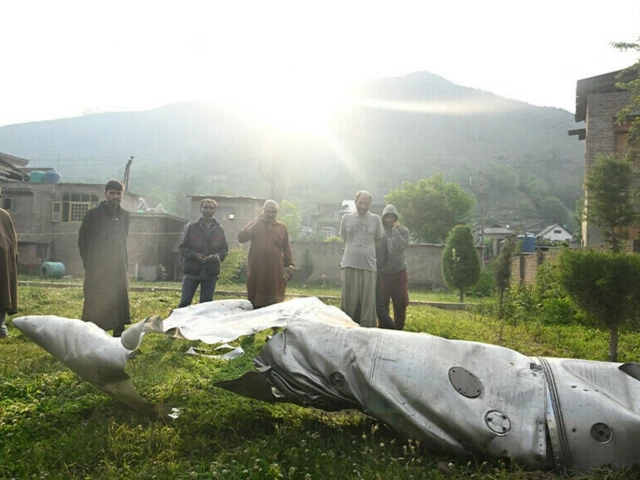
United Nations human rights experts have concluded that India's cross-border military strikes on Pakistan in May 2025, conducted under "Operation Sindoor" in response to the April 22 Pahalgam terrorist attack, violated international law. The experts highlighted the absence of evidence linking Pakistan's government to the attack and India's failure to notify the UN Security Council of any self-defense claim under Article 51 of the UN Charter.
In a 17-page communication dated October 16, 2025, and made public on December 15, five UN special rapporteurs and one independent expert expressed grave concerns over the strikes' implications for regional stability and human rights. They stated that the actions appeared inconsistent with the UN Charter's prohibition on the use of force (Article 2(4)) and could endanger the right to life.
The experts noted that while states have a right to counter terrorism, international law imposes strict limits on cross-border force, requiring necessity, proportionality, and distinction under humanitarian and human rights standards. India's claims of targeting militant sites without verifiable evidence of an imminent state-attributed attack raised serious issues.
A key concern was India's unilateral decision to hold the 1960 Indus Waters Treaty (IWT) in abeyance post-attack. The treaty, a resilient water-sharing agreement surviving past conflicts, allocates vital rivers to both nations. Disruptions risk violating rights to water, food, livelihoods, and a healthy environment for millions in Pakistan, where agriculture depends heavily on the Indus system. The experts warned against "weaponizing water" as political pressure, emphasizing binding treaty obligations and duties to avoid transboundary harm.
The report linked ongoing tensions to the unresolved Kashmir dispute, urging peaceful settlement per international law and self-determination principles. It posed questions to India on legal justifications, evidence, reparations for civilian losses, IWT compliance, and Kashmir resolution steps.
Pakistan's President Asif Ali Zardari welcomed the findings, reaffirming Pakistan's commitment to international law while criticizing India's actions as rogue behavior.
These non-binding but authoritative assessments by independent UN mandate holders underscore risks of escalation between nuclear-armed neighbors and call for accountability, dialogue, and adherence to global norms. The communication highlights how security responses can create broader humanitarian crises if not legally grounded.


.png)
Your trusted source for breaking news, in-depth analysis, and comprehensive coverage of today's most important stories.
Get daily updates on breaking news, exclusive interviews, and special features delivered to your inbox.
Have a news tip or want to get in touch with our editorial team? We're here to help.
Austin, Texas, USA