
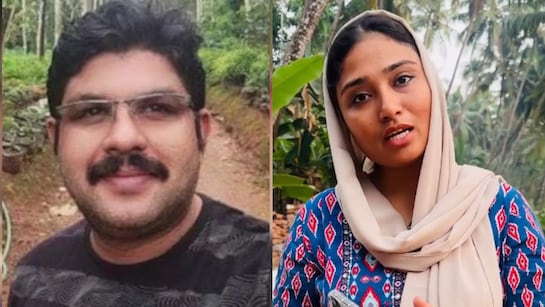
In a deeply troubling development that has fueled accusations of systemic injustice against women reporting sexual harassment, Kerala police have taken social media influencer Shimjitha Musthafa into custody following her viral video accusing a man of molesting her on a public bus. Despite her claim of being the victim of inappropriate touching, authorities arrested her on charges related to the alleged perpetrator's subsequent suicide, leading many to condemn the action as unfair and effectively punishing the complainant rather than addressing the reported assault.
Shimjitha Musthafa, 35, recorded and posted a video during a bus journey in Kozhikode district, clearly capturing what she described as deliberate molestation by 42-year-old Deepak U. In the footage, she alleged he touched her inappropriately with sexual intent, even after she objected. The clip, which amassed millions of views before deletion, was intended to expose the harassment she experienced in a crowded public space. Supporters argue the recording provides direct evidence of the incident, yet police shifted focus to Deepak's death by suicide days later, attributing his distress to online backlash from the video.
Rather than prioritizing an investigation into her molestation complaint, authorities registered a case against Musthafa under abetment to suicide provisions. She was arrested from a relative's home in Vadakara after going into hiding, with a lookout notice issued earlier. She has now been remanded to 14-day judicial custody at Manjeri sub-jail in Malappuram district. Videos of the arrest show crowds chanting slogans outside the jail, with men's rights activists demanding "Justice for Deepak," while critics decry the scene as mob-like intimidation against a woman who documented her own victimization.
This case exemplifies a disturbing pattern in India where women who come forward with evidence of harassment or assault often face retaliation, disbelief, or legal repercussions instead of protection. Musthafa filed a counter-complaint alleging sexual assault by Deepak, but the emphasis remains on the aftermath rather than verifying her recorded claim. Advocates argue her detention highlights how the system can invert justice—holding the alleged victim accountable while the reported molester's actions go unprobed before his death.
India continues to battle an alarming rise in sexual violence, with the National Crime Records Bureau (NCRB) reporting over 31,500 rape cases in recent years—an average of around 86 incidents daily—and over 445,000 total crimes against women. Underreporting remains rampant due to stigma, fear of reprisal, family pressure, and notoriously low conviction rates (often below 30% nationally, dipping lower in some states). Surveys like the National Family Health Survey reveal that one in three women experiences some form of violence, yet most cases never reach authorities. These statistics position India as a country grappling with one of the world's highest burdens of gender-based violence, where victims frequently encounter secondary victimization through societal blame or institutional bias.
The polarized reactions online reflect broader tensions: some view Musthafa's actions as reckless social media vigilantism that contributed to a tragedy, while others see her custody as emblematic of why countless women hesitate to report molestation or rape—fearing they will be blamed, shamed, or legally targeted instead of supported. Calls are growing for reforms, including stronger safeguards for complainants who provide evidence like videos, faster probes into harassment claims, and measures to prevent misuse of laws without undermining genuine victims.
As Musthafa awaits further legal proceedings, including a potential bail hearing, this incident underscores the urgent need for a balanced justice system that protects those who speak out against sexual misconduct while ensuring accountability on all sides. In a nation where rape and molestation cases surge amid persistent underreporting and cultural barriers, treating documented victims with suspicion risks perpetuating silence and impunity for perpetrators.


No comments yet. Be the first to comment!
.png)
Your trusted source for breaking news, in-depth analysis, and comprehensive coverage of today's most important stories.
Get daily updates on breaking news, exclusive interviews, and special features delivered to your inbox.