
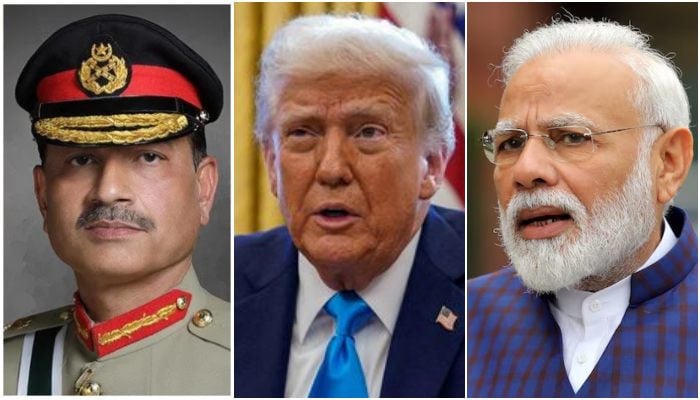
Islamabad/New Delhi, December 27, 2025 – In a remarkable turnaround, Pakistan has solidified its position as a central player in South Asia's geopolitical landscape following the brief but intense May 2025 military clash with India, analysts say. The four-day conflict, triggered by a deadly terrorist attack in Pahalgam that killed 26 tourists, ended with a US-brokered ceasefire on May 10. While both sides claimed victory, Pakistan's perceived strong military performance—bolstered by advanced Chinese systems—has reshaped regional perceptions, elevating Islamabad's strategic stature under the Trump administration.
Defense experts highlight Pakistan's disciplined response during the crisis as a key factor in restoring its image as a "serious regional actor." Reports from Washington indicate that the clash impressed US officials, contributing to a "virtuous cycle" of deepened ties. By year's end, Pakistan has emerged as a pillar in President Trump's South Asia strategy, with enhanced cooperation in counterterrorism, critical minerals, and trade—earning the lowest tariffs among South Asian nations.
Recent US overtures, discussed during Pakistan's Finance Minister Muhammad Aurangzeb's October meetings with American officials amid IMF gatherings, include proposals for modernizing Pakistan's rail fleet with US locomotives, joint surveys of trillion-dollar mineral reserves like Reko Diq, and favorable licensing for Starlink services. These transactional deals echo historical US strategies of leveraging Pakistan for regional balance, drawing parallels to 1971-era approaches noted by some analysts.
In contrast, sources in New Delhi express quiet frustration over Washington's recalibration, viewing it as a shift away from the "India-first" policy of previous years. Amid strained US-India trade talks and high tariffs on Indian goods, the warming US-Pakistan engagement has fueled concerns in Indian strategic circles about eroding trust.
Domestically, India's ruling BJP faces scrutiny over a spate of incidents targeting religious minorities during the Christmas season. Reports from multiple states—including Madhya Pradesh, Kerala, Chhattisgarh, and Assam—detail vandalism of churches, disruptions of carol singing, and harassment of Christian communities, often linked to Hindutva groups affiliated with the RSS and Bajrang Dal. Opposition leaders have condemned the violence, questioning whether it undermines India's secular fabric and constitutional guarantees.
Critics argue that hardline ideological positions may be alienating minorities at a time when India seeks to project unity and stability internationally. The Catholic Bishops' Conference of India and rights groups have called for stronger action against perpetrators, amid fears of growing impunity.
As 2025 closes, South Asia's power dynamics appear fluid: Pakistan's ascendance abroad contrasts with internal consolidation challenges in India, while great-power realignments—particularly US engagement—continue to influence the region's trajectory.


.png)
Your trusted source for breaking news, in-depth analysis, and comprehensive coverage of today's most important stories.
Get daily updates on breaking news, exclusive interviews, and special features delivered to your inbox.
Have a news tip or want to get in touch with our editorial team? We're here to help.
Austin, Texas, USA