
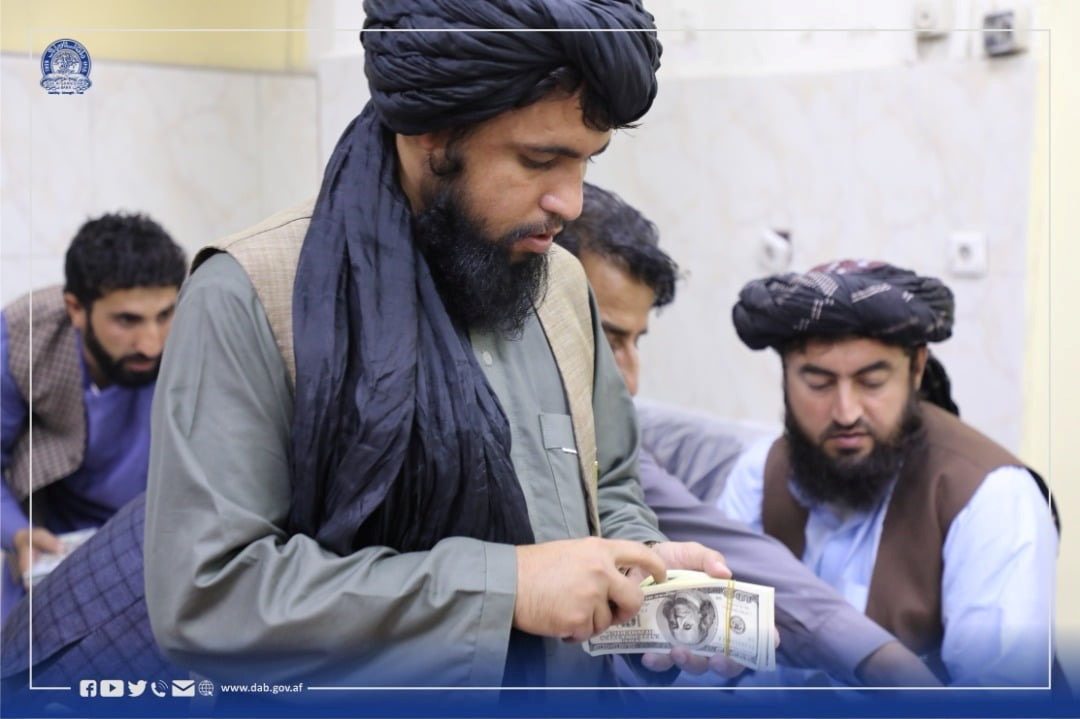
KABUL/PESHAWAR — An exclusive investigation into the financial operations of the Tehreek-e-Taliban Pakistan (TTP) has revealed the militant group spends an estimated $500-600 million annually on its military operations, media campaigns, and organizational infrastructure, with most funding originating from shadowy external sources.
The Breakdown: Following the Money Trail
According to intelligence documents and former TTP financial operatives who spoke on condition of anonymity, here's where the organization's massive budget is allocated:
Operational Expenses: $150-200 Million
Salaries for fighters range from $100-500 monthly depending on rank
Monthly ration packages for fighters' families
Safe house rentals across Pakistan and Afghanistan
Transportation of weapons and explosives through complex networks
Cross-Border Logistics: $40-60 Million
Guides and facilitators who help fighters infiltrate from Afghanistan into Pakistan receive "large sums" per successful crossing
Payment to border area residents for temporary shelter and intelligence
Corruption payments to some security personnel for safe passage
Media and Propaganda: $10-20 Million
Free laptops, high-speed internet, and mobile devices for media workers
Sophisticated video production equipment
Social media campaign management and website maintenance
Stipend payments to online activists and influencers
Medical Expenses: Up to $100 Million
Payments to local doctors and private hospitals for treating wounded fighters
Medical supplies and field hospitals
Evacuation of critically injured fighters to third countries
Leadership Luxury: Millions in Comfort
TTP chief Nur Wali Mehsud's family and personal security costs approximately $40,000 annually
Senior commanders receive luxury vehicles (Toyota Land Cruisers, Hilux Vigo)
Large, well-furnished houses in secure locations
Multiple marriages for top leaders with separate housing arrangements
The Attack Economics: Price Tag of Violence
Specific operations have documented price tags:
Badhber Airbase Attack: 70 million Pakistani rupees ($250,000)
Standard suicide bomber operation: $10,000-$50,000
IED manufacturing and placement: $2,000-$10,000 per device
Weapons procurement: AK-47 rifles at $800-$1,200 each
The Funding Question: "We All Know Who's Secretly Funding"
While TTP claims self-sufficiency through "donations" and "war booty," intelligence analysts point to more systematic funding sources:
State Sponsorship: "The cash keeps pouring in, and we all know who's secretly funding the carnage," said a senior Pakistani counter-terrorism official who declined to be named. "The scale suggests institutional backing, not just individual donors."
Extortion Networks: Protection money from businesses in TTP-controlled areas
Kidnapping for Ransom: Particularly targeting wealthy businessmen and foreigners
Drug Trafficking: Control of segments of the Afghanistan-Pakistan narcotics route
The Human Cost Behind the Numbers
Beyond the financial figures lies a devastating human impact:
3,200+ security personnel killed in TTP attacks since 2021
1,800+ civilians killed in 2023 alone
$10+ billion estimated economic damage to Pakistan's economy since TTP's resurgence
500,000+ internally displaced persons in Khyber Pakhtunkhwa province
International Response
The revelations come as:
Pakistan intensifies diplomatic efforts to pressure Afghanistan over TTP sanctuaries
FATF (Financial Action Task Force) monitoring continues on terror financing
U.S. offers $10 million bounty for TTP leadership information
China expresses concern over attacks targeting CPEC projects
Expert Analysis
Dr. Fatima Hassan, security analyst at Islamabad Policy Institute: "This budget reveals a sophisticated, state-like financial system. The scale suggests either direct state sponsorship or a massive criminal enterprise. The luxury lifestyles of leaders contrast sharply with the poverty they claim to fight against."
What's Next?
Pakistan's military has announced "Operation Azm-e-Istehkam" targeting TTP financial networks. Recent successes include:
Seizure of $2.3 million in cash from a Karachi hawala network
Freezing of 42 bank accounts linked to TTP facilitators
Arrest of 15 financiers in Punjab and Sindh provinces
The Bottom Line: The TTP operates a half-billion-dollar annual enterprise that sustains violence across Pakistan while its leadership enjoys protected, comfortable lives. The funding sources remain officially unacknowledged but widely understood in intelligence circles, pointing to what security officials call "an open secret in the region's geopolitics."
This report is based on confidential documents, intelligence briefings, and interviews with former TTP members conducted over six months. Names and locations have been withheld for security reasons.


.png)
Your trusted source for breaking news, in-depth analysis, and comprehensive coverage of today's most important stories.
Get daily updates on breaking news, exclusive interviews, and special features delivered to your inbox.
Have a news tip or want to get in touch with our editorial team? We're here to help.
Austin, Texas, USA