
Pros:
Animations are superbly captured and very lifelike
Solid graphics with a unique art style and beautiful environments
A high level of interactability with the game’s world, boosting immersion
Emotion and chemistry are conveyed without voice acting
Cats
Cons:
Ending is abrupt and doesn’t address key plot points
Stealth isn’t very challenging
The game is pretty short in length
Score: 5/7 — A solid little adventure game that’ll tug at your heart, though it may be pricey for some.
Price: Available as part of PlayStation Plus Extra subscription; $29.99 (Xbox, Steam).
Reviewed on PlayStation 5; available on PlayStation 5, PlayStation 4, Xbox Series X/S, Xbox One, PC (Windows and MacOS) and Nintendo Switch.
Cats and humans have had a deep relationship for literal millennia. They are a huge part of our lives as pets, internet content or as pest control.
French studio Annapurna Interactive knew the impact cats have and decided to develop a game centred around playing as one. Right down to the stretching, napping and scratching on sofas and carpets.
I know it’s an old game, but 2022’s Stray is one of those games that feels special, not because it’s a very good cat simulator, but a solid adventure, if a short one.
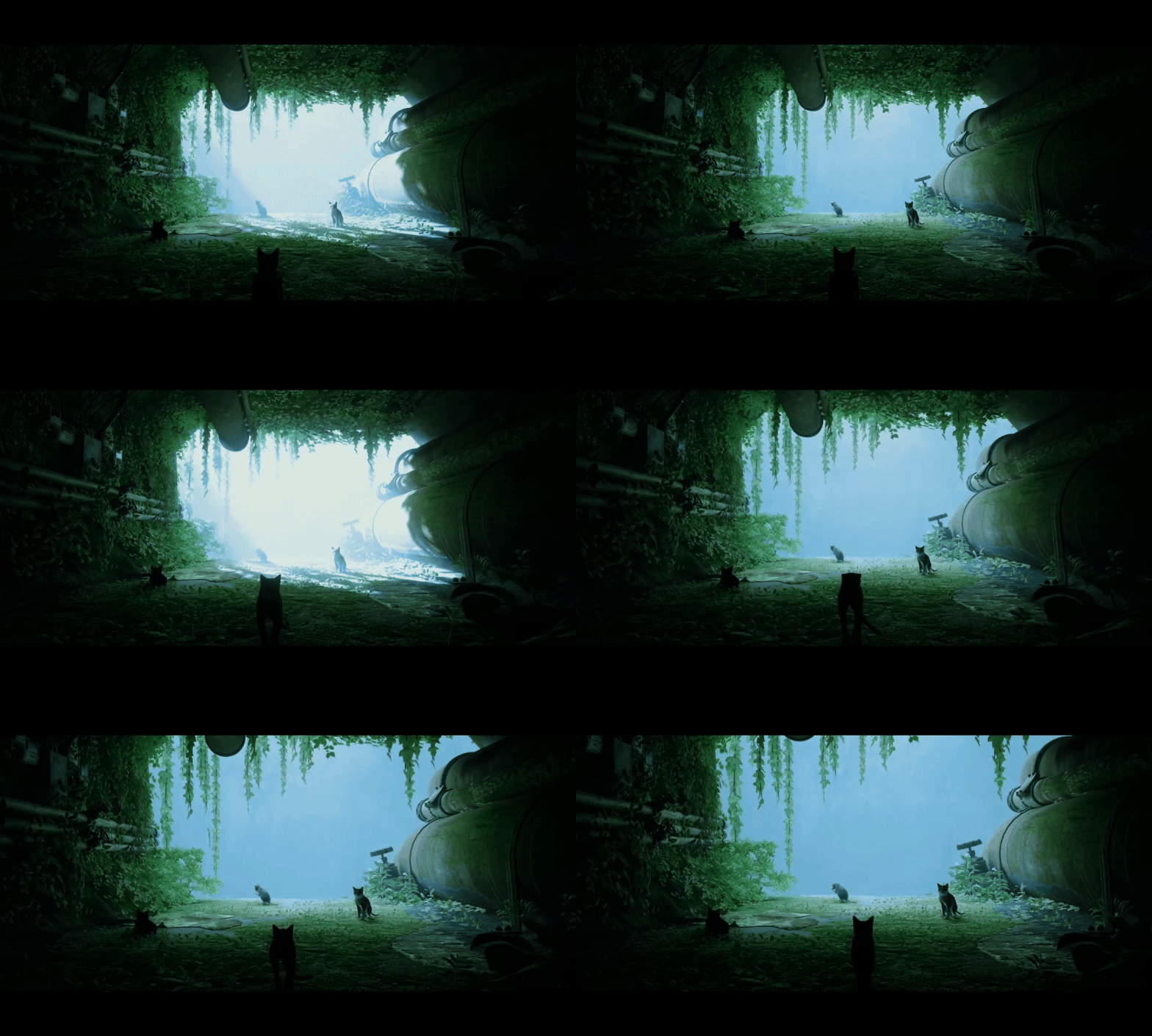
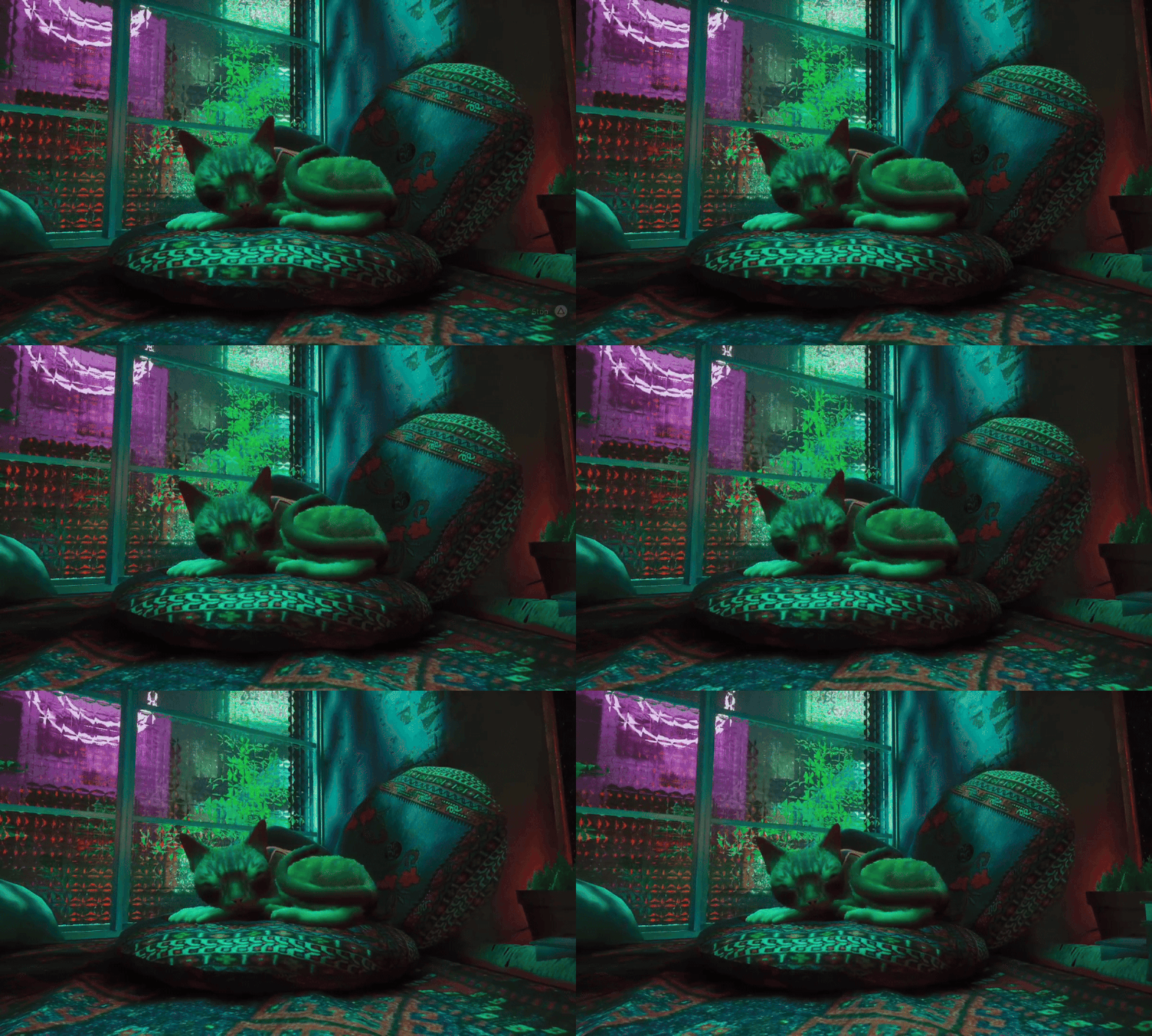
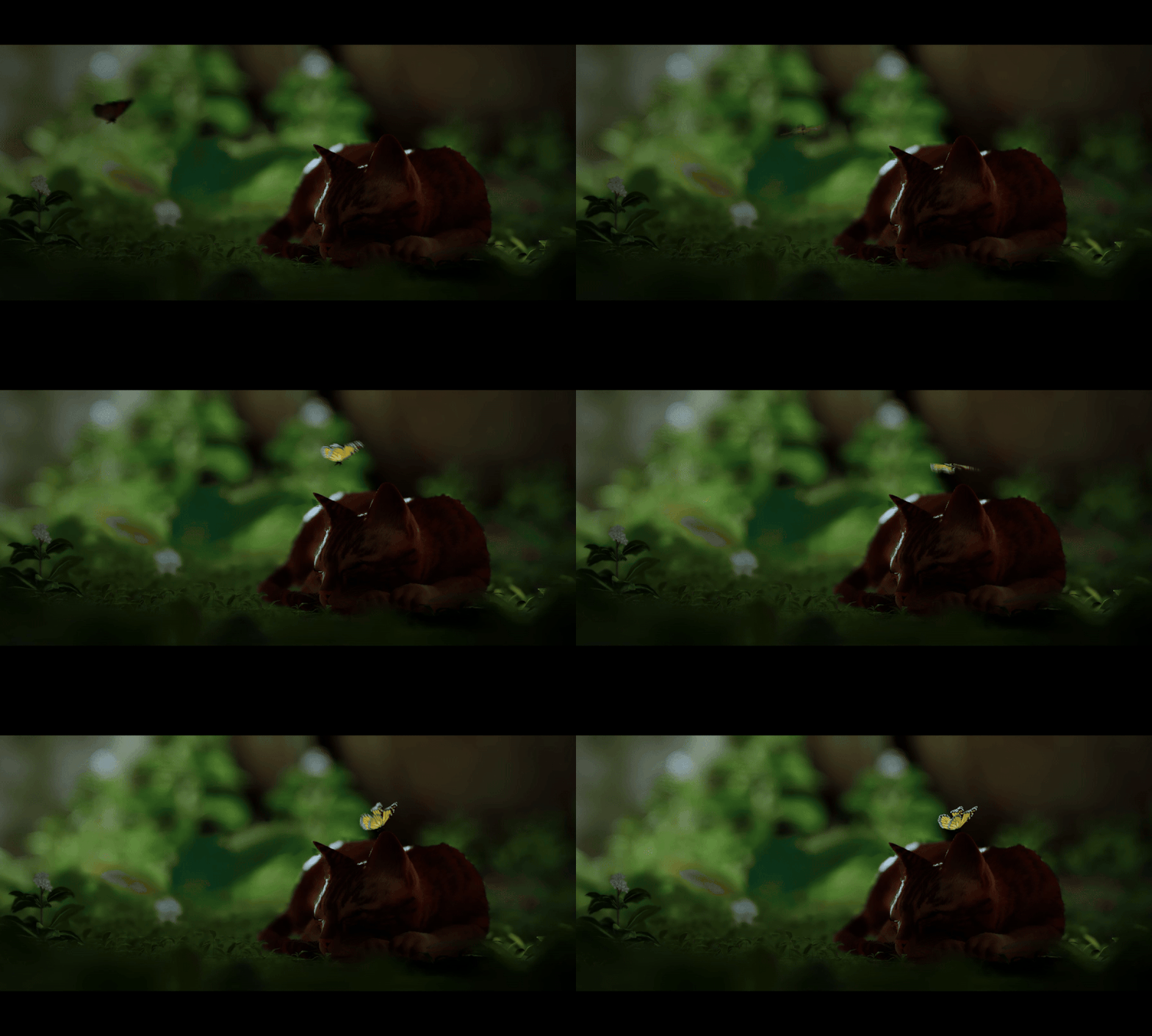
Without a single spoken word, Stray establishes what it is right out of the gate. We’re introduced to the player character — an orange cat whom we’ll name Buttons for this review — waking up from a nap alongside his family.
The group decides to venture out of a storm drain into a post-apocalyptic world. However, Buttons unfortunately misses a jump and falls into an abandoned underground city in one of the most painful sequences of the game.
Not only does Buttons get separated from his family, but he also falls from a great height and gets injured. Poor little guy.
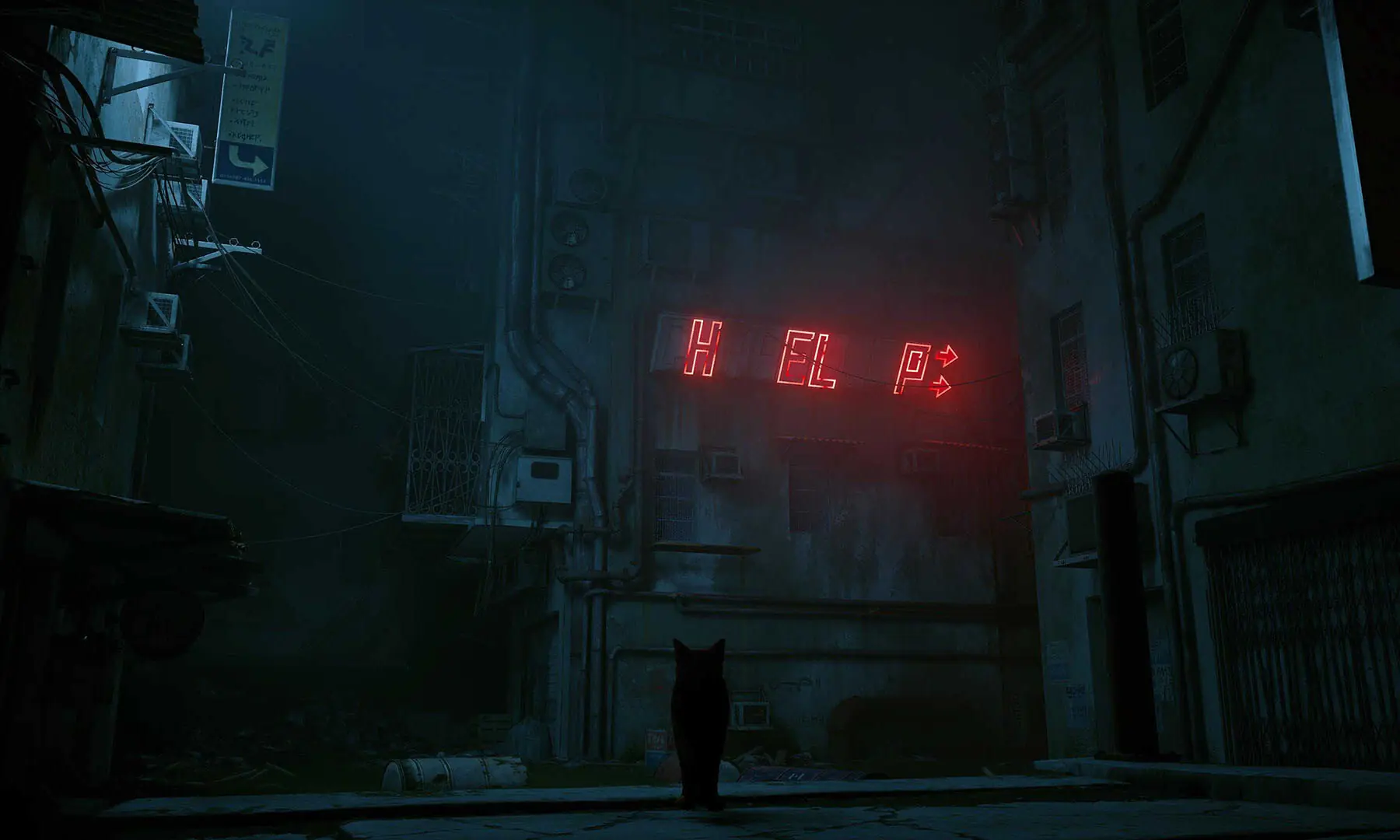
After a while, doors mysteriously unlock and electronic signs in the environment guide Buttons to the next area of the game. Following signs and messages, he ends up in an apartment and comes across a drone called B12, which has the consciousness of a scientist who tried to escape the city, but has lost most of his memories.
Your goal is clear: escape the city by ascending its three main levels and reunite with your family.
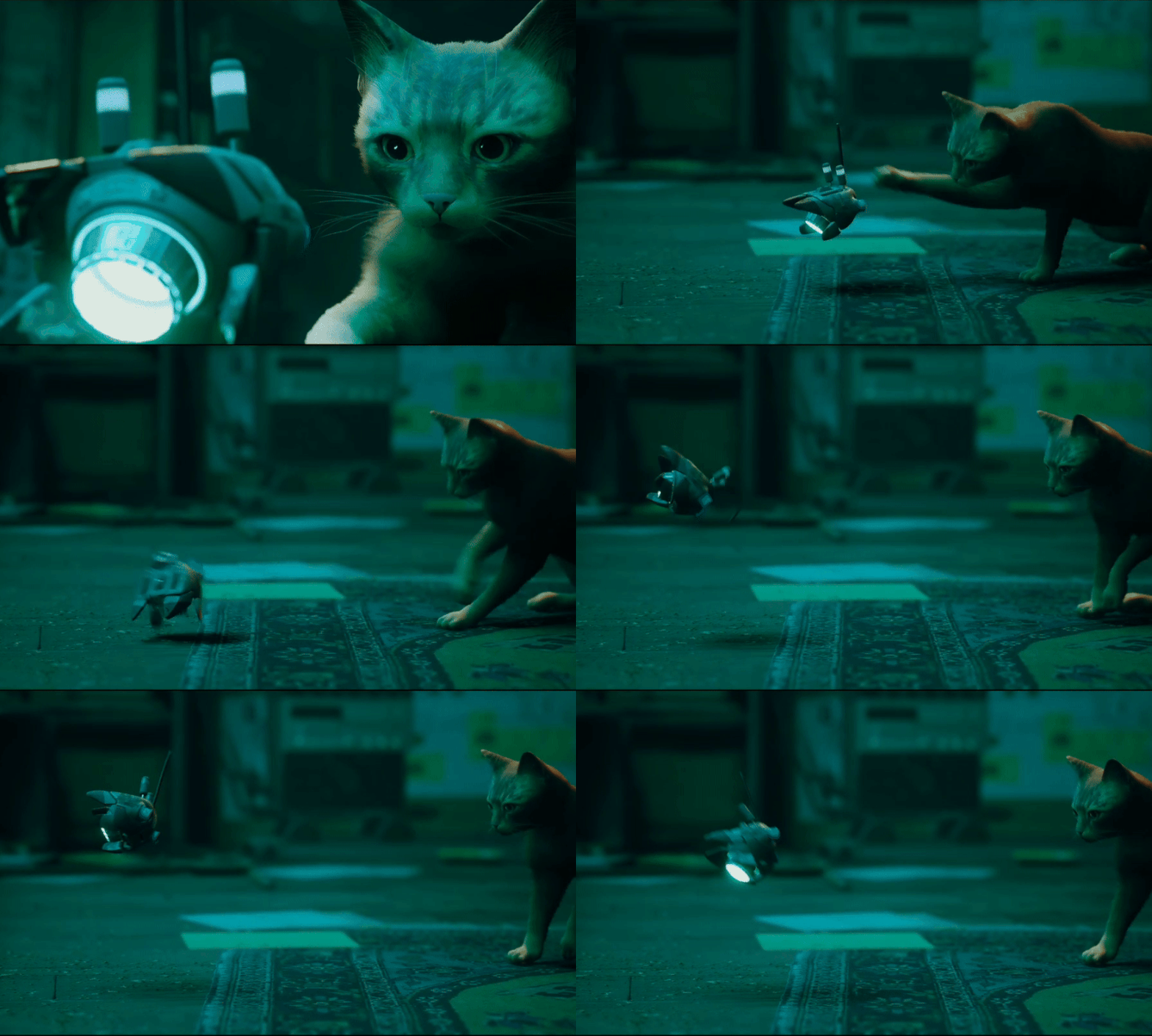
The opening not only communicates this, but is also emotionally impactful when you see Buttons alone in an unforgiving city with an oppressive atmosphere.
It’s not just because he’s a cat, but that feeling of being alone in an unfamiliar and dangerous place is a relatable fear. This is emphasised when pressing the dedicated “meow” button, with Buttons mewing into the void with no answer.
This impact being achieved without spoken dialogue makes it all the more impressive.
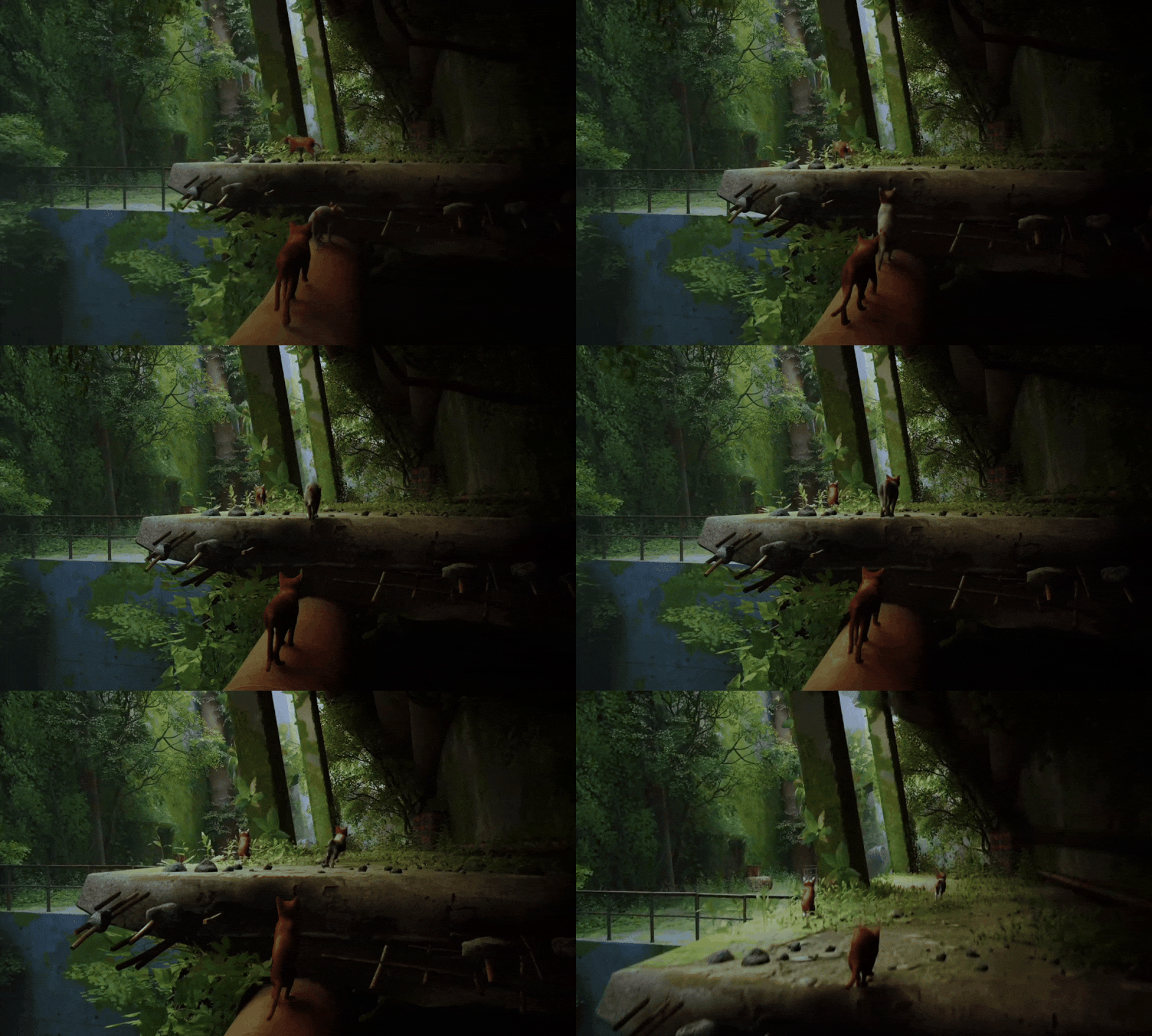
It is a pretty brief adventure, though; I managed to finish it in three hours, and that includes time spent exploring the levels.
Moreover, I was left disappointed by the ending. Without spoiling it, it was very emotional, but it was also abrupt and left several key questions unanswered. It’s a shame that they capped off such a solid experience with a subpar conclusion.
At its core, Stray is a platformer in which you need to navigate the world and either find items or solve puzzles to proceed through the story.
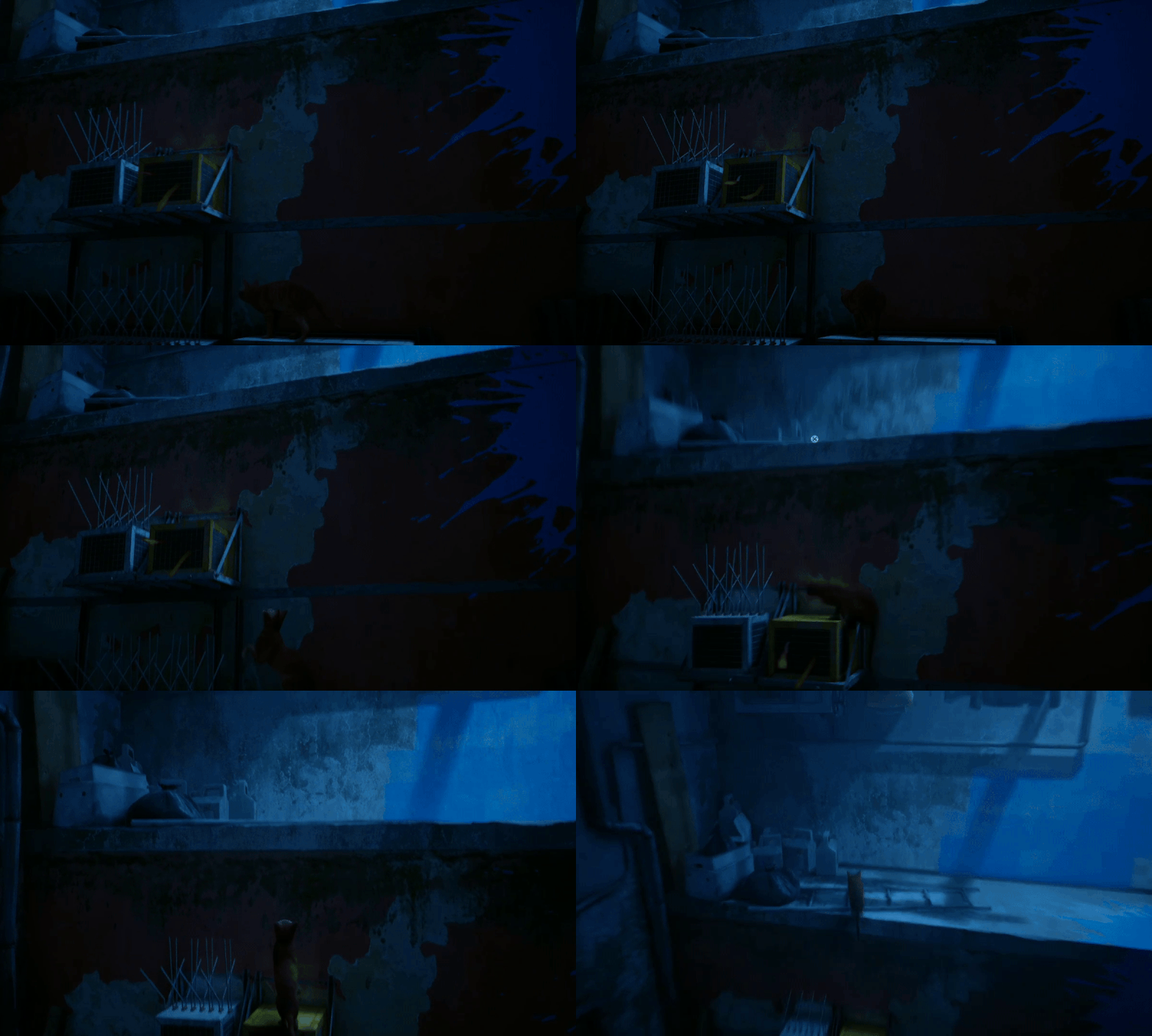
It’s very simple: run to an area, fetch something and bring it back to progress the quest. Or move empty barrels around to reach higher ground. Rinse and repeat. However, it didn’t get repetitive, at least not in my opinion.
I think this was down to the movement. You press the jump button when the prompt appears on screen, but holding it down allows you to jump across multiple objects in a row.
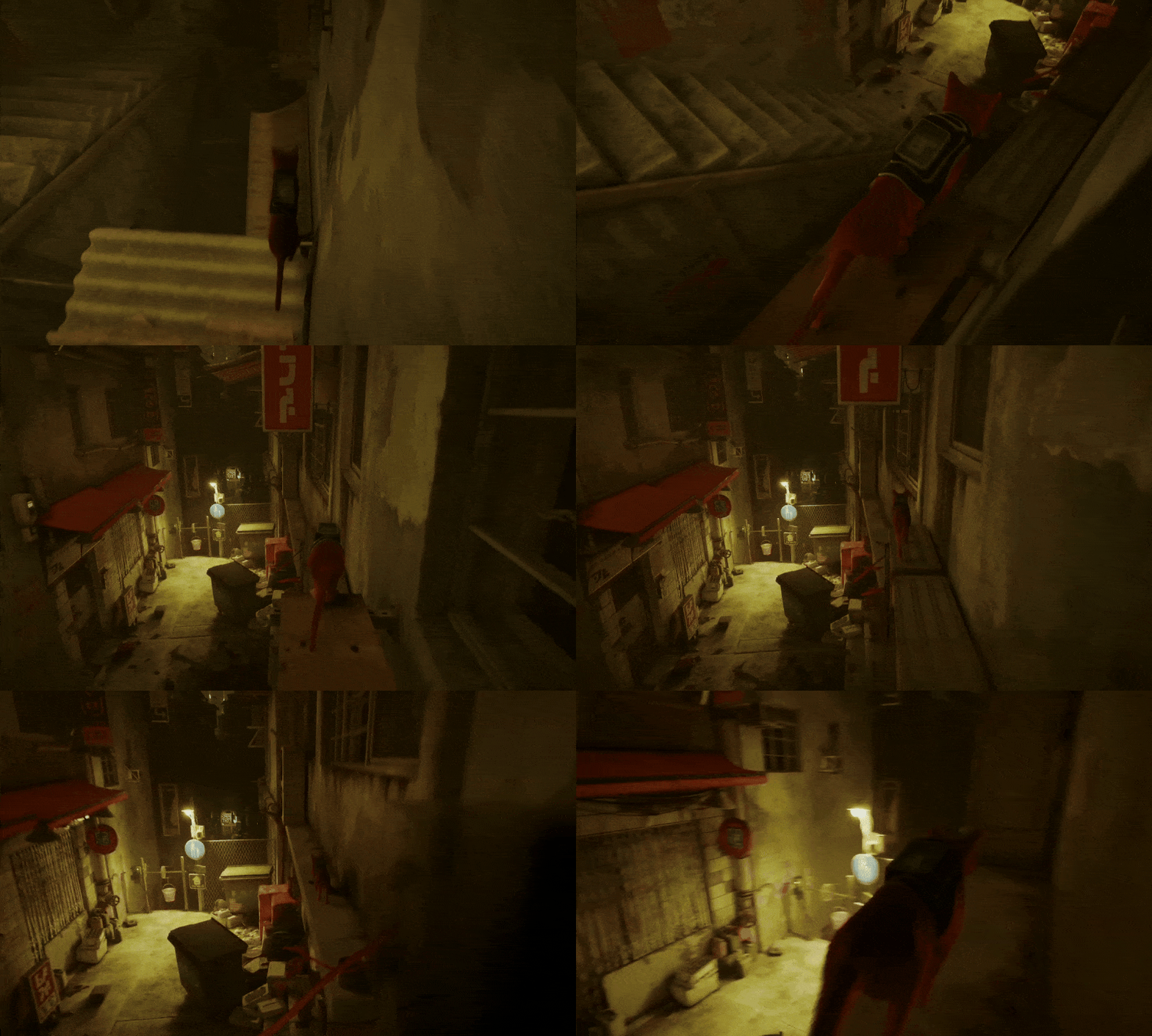
It’s a lot like free running — maintaining your flow of movement without losing speed or momentum. But sometimes the prompt doesn’t appear, leaving Buttons looking like a bit of a plum.
Escalating challenges emerge throughout, from creatures called Zurks to police drones called Sentinels. Later, laser fences are introduced, forcing you to find alternate paths. Gameplay is varied enough that it doesn’t get boring.
Zurks will kill Buttons by chasing and swarming him, so you need to run past them to survive these sections. You get a weapon at one point that makes them explode, but it overheats way too quickly to be effective.
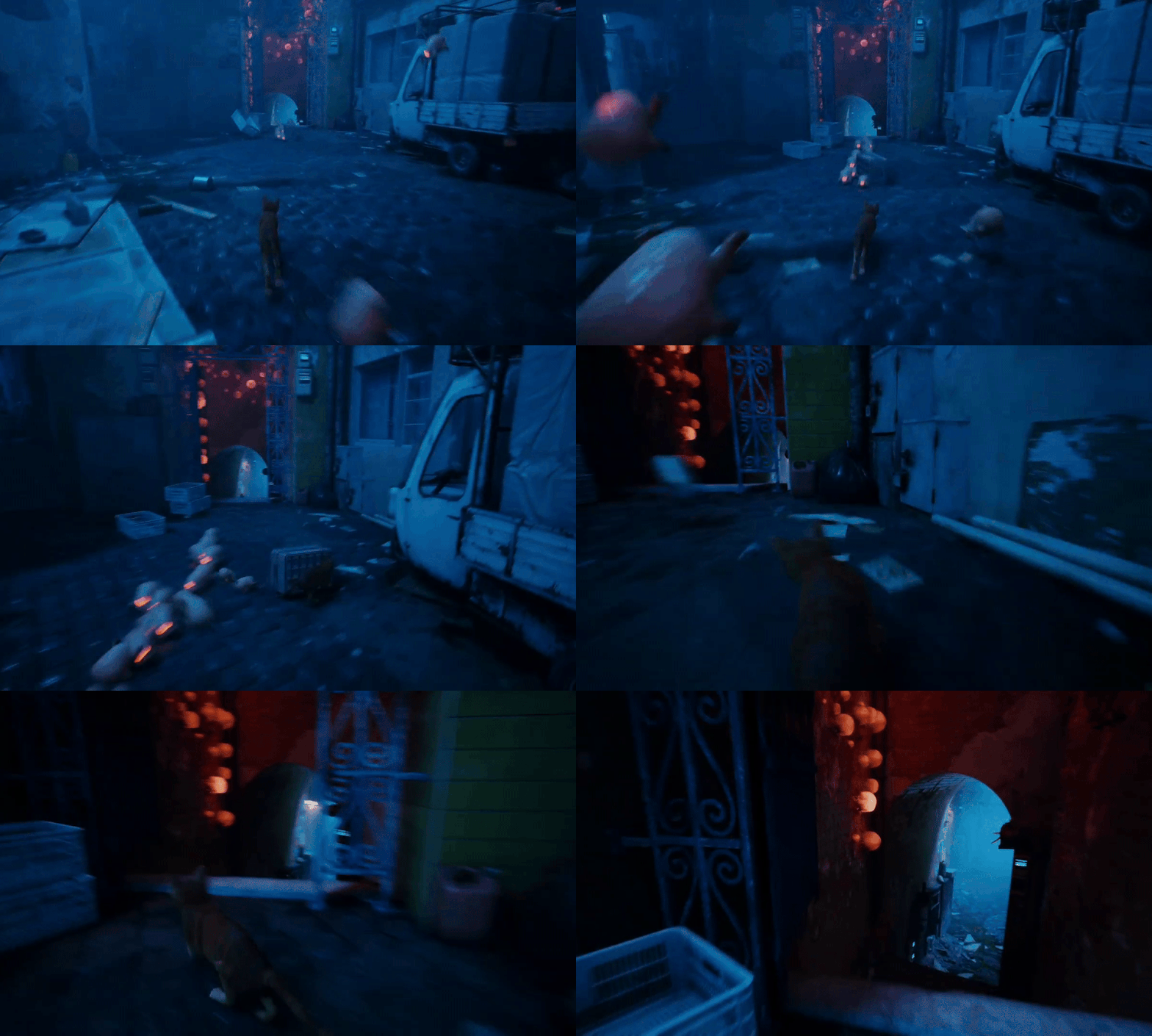
Sentinels introduce stealth sections to the game — you have to stay out of their sight, otherwise they’ll chase and shoot Buttons. But this is where I found a bit of a problem: stealth is way too easy because of how dumb these things are.
If you’re spotted, the large circle that represents their line of sight will turn red, and you’ll hear a laser charging up. But if you dart round a corner and jump into a box, the Sentinel gives up its chase. I did this right in front of one and it just floated away.
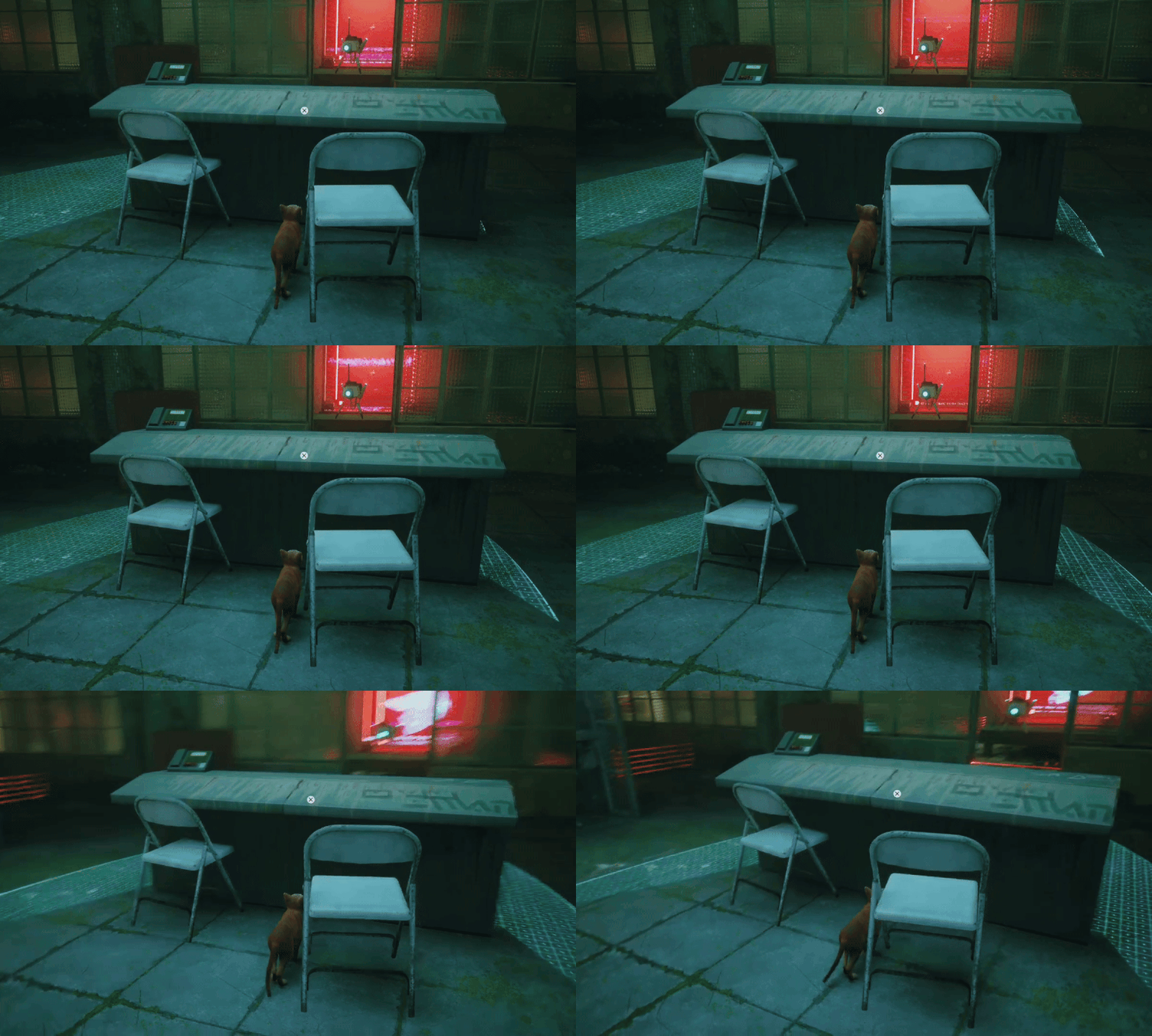
These sections become more frequent in the game’s second and third acts but offer no challenge. You’re not tested, so stealth becomes somewhat boring.
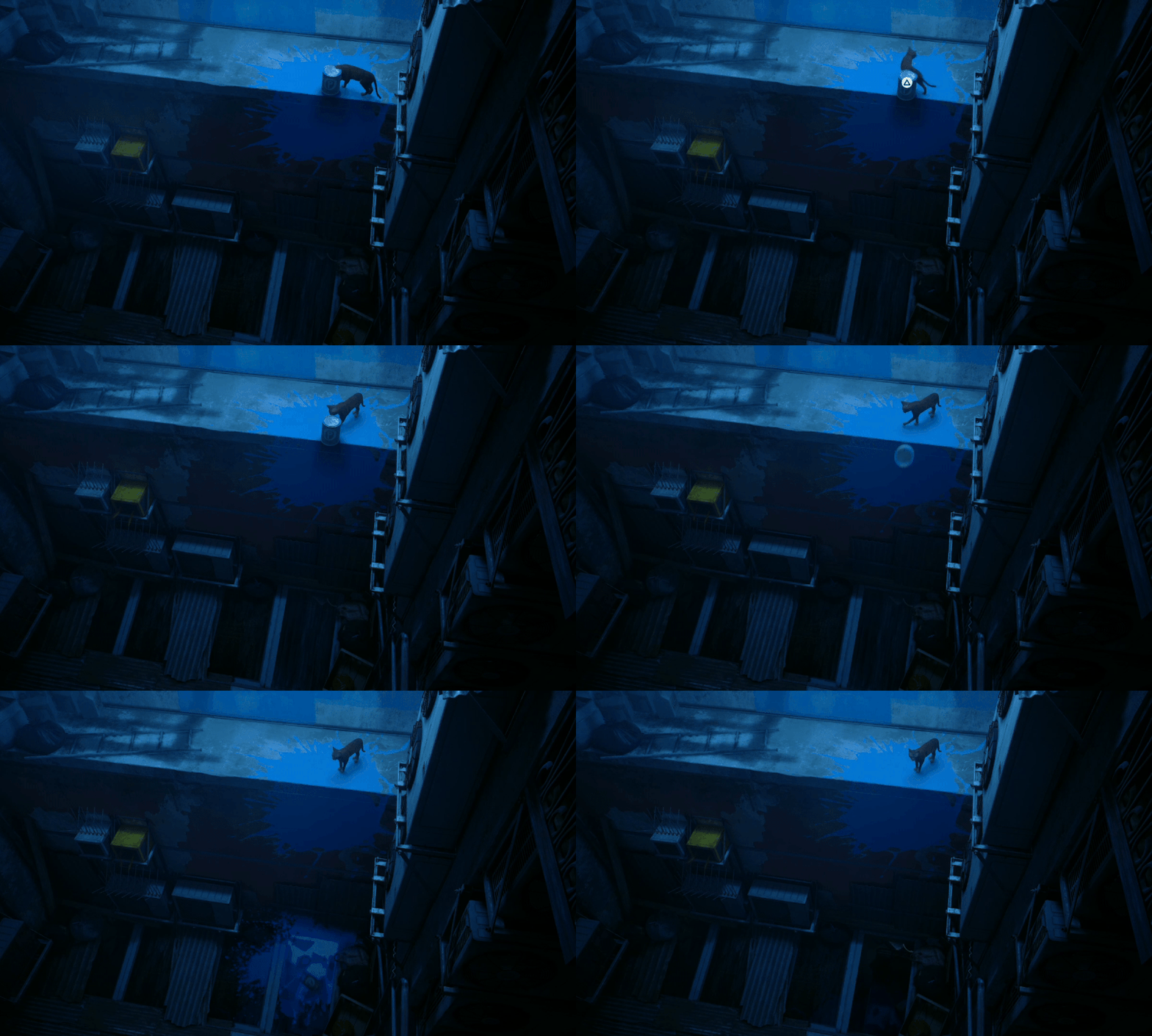
After the frankly heart-wrenching opening, we’re introduced to the world of Stray, which is detailed, highly interactive and immersive.
Buttons traverses a dark, abandoned city, with neon signs with arrows and text lighting up when approached, guiding the player further down the correct path.
An abandoned urban area reclaimed by nature is a bit of an overdone aesthetic in gaming, but Stray’s environments are varied, vibrant and feel lived in, like people were once here.
In the Slums, there are rusty metal sheets, messy apartments and random items and trash scattered everywhere. These are contrasted by bright neon signs, which bathe these oppressive environments with bright colours.
As you ascend, the environments get cleaner; the second main hub, Midtown, has boutiques, restaurants, a nightclub and an apartment block. Neon signs are more widespread and the place is patrolled by police robots and Sentinels.
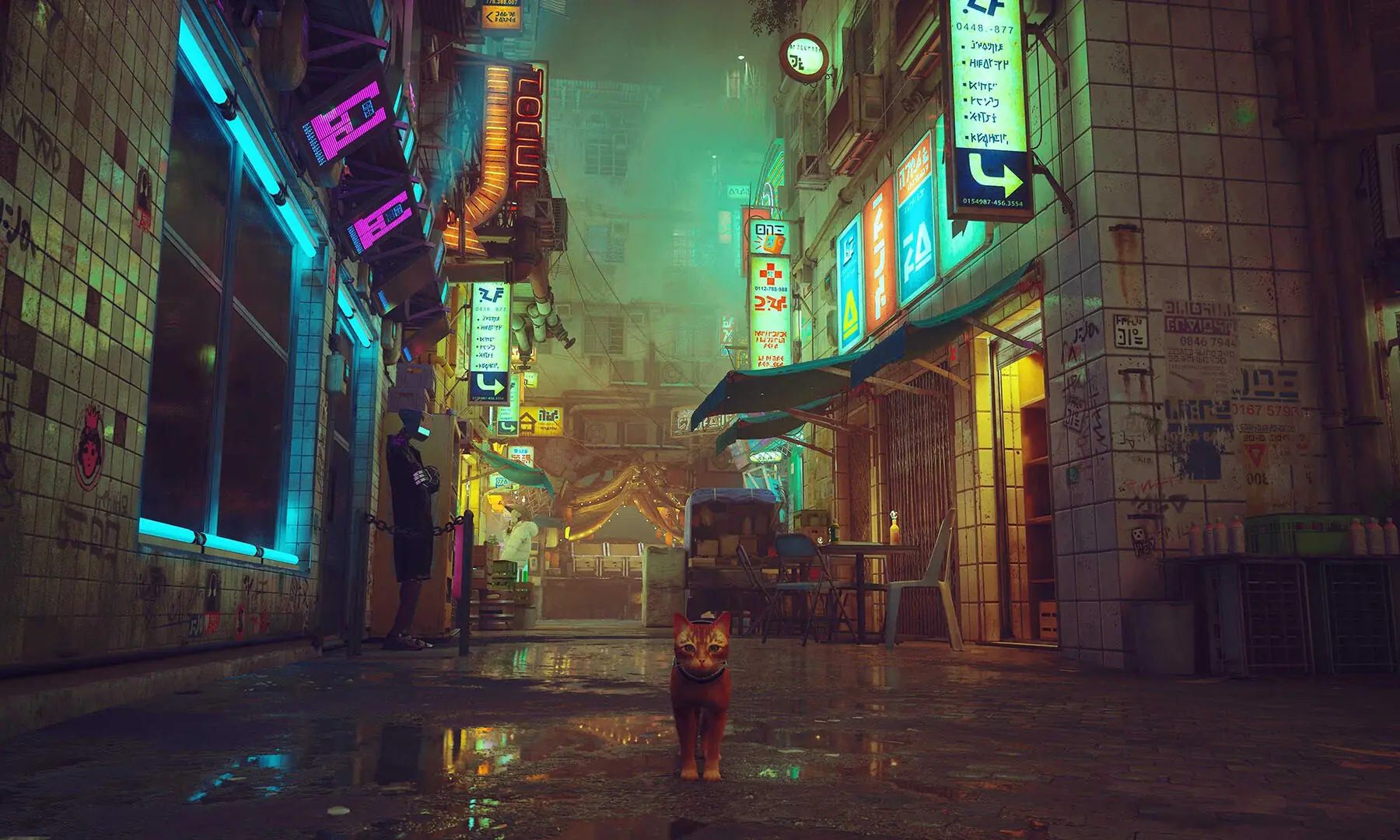
Though the levels are easy to navigate once you get used to the layout, the immersion is amazing: the world itself is guiding you to your next objective, not an arbitrary marker on your screen. In fact, there is barely a heads-up display at all.
The game has no compass or health bar, and button prompts, though visible on specific items in the world, only appear when approached.
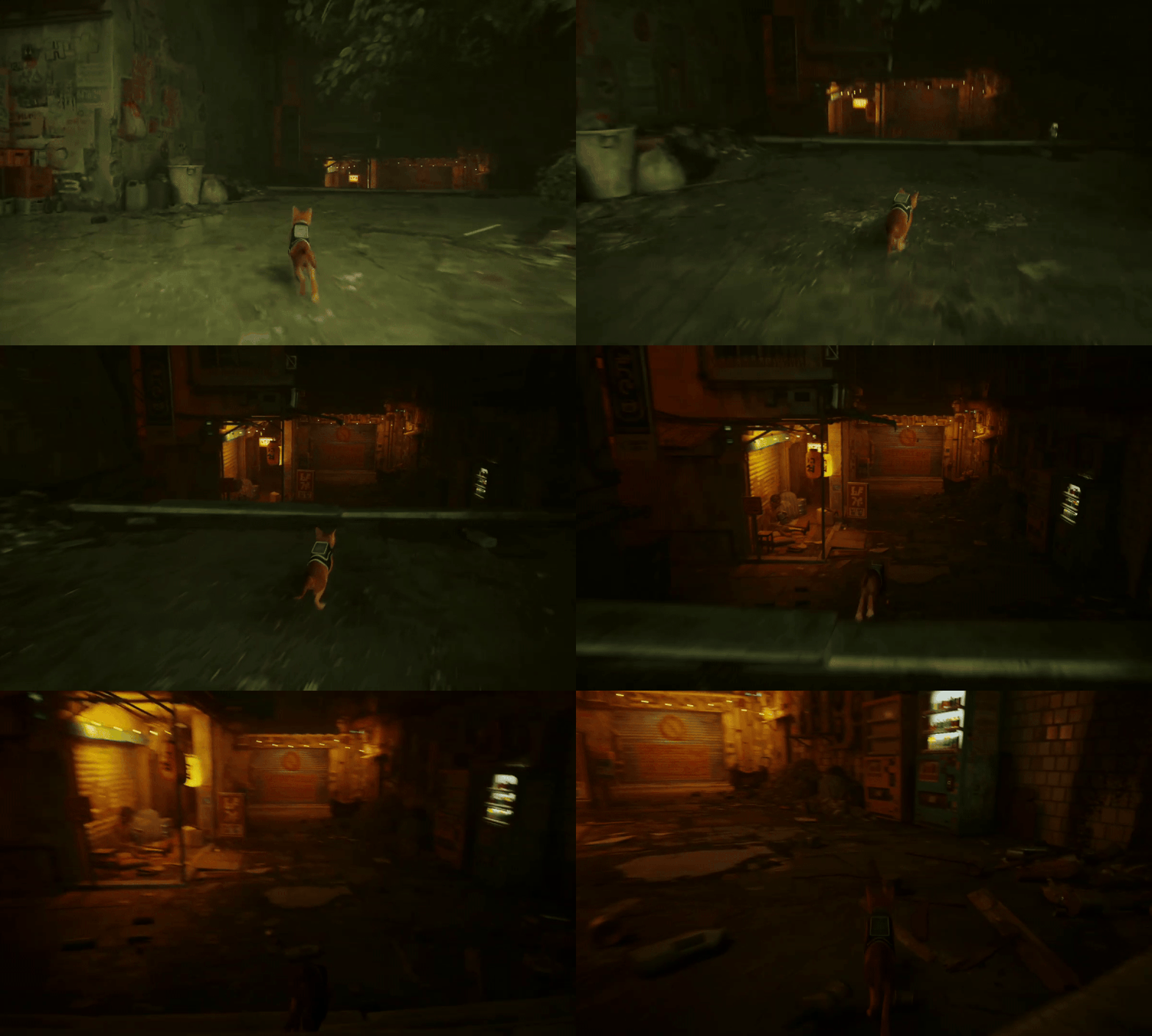
It makes for a very clean display, with your view as a player not obstructed by visual clutter. You can appreciate the game’s art style and environments (which are excellent by the way), allowing you to enjoy the experience more.
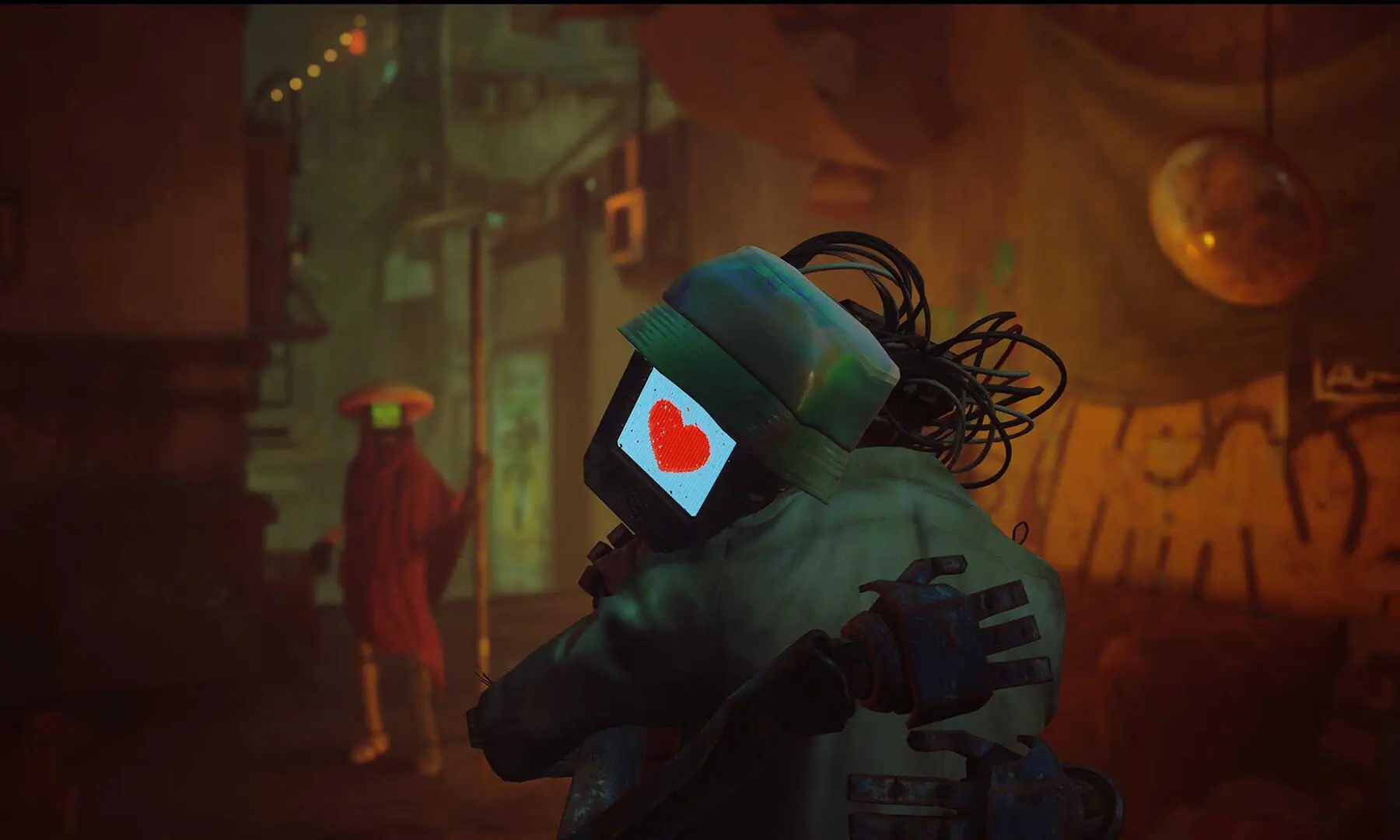
Stray is also devoid of any human characters and populated entirely by robots and Zurks. It’s an interesting setting since, despite being robots, they exhibit human behaviour.
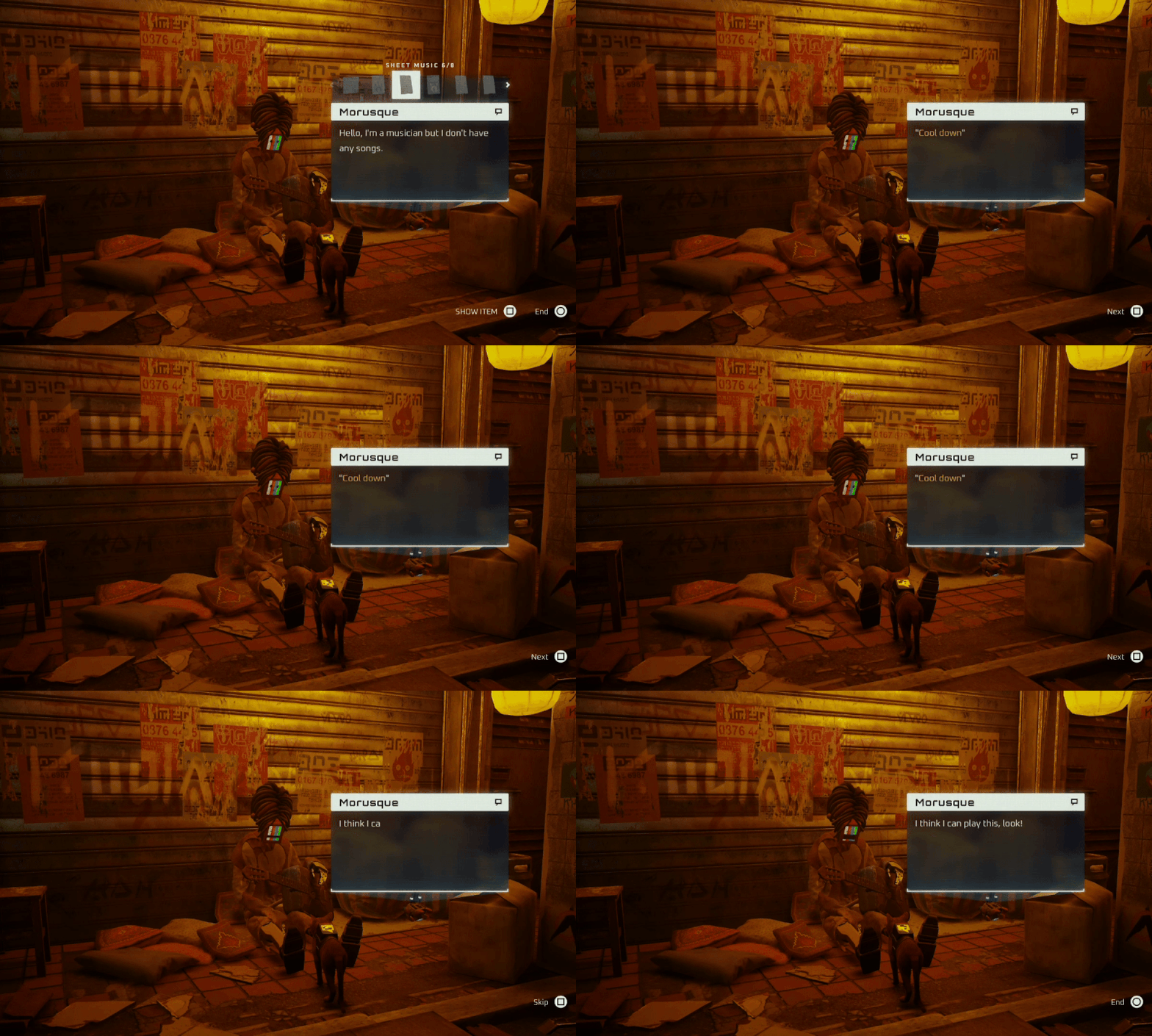
They express a range of emotions, play music, and respond positively or negatively to Buttons’ mewing or nuzzling against them.
For example, when two robots are playing Mahjong, Buttons can jump on the table and disrupt the game, causing tiles to fly everywhere and the robots to grow angry. This encounter demonstrates Buttons’ impact and the game’s physics on the world.
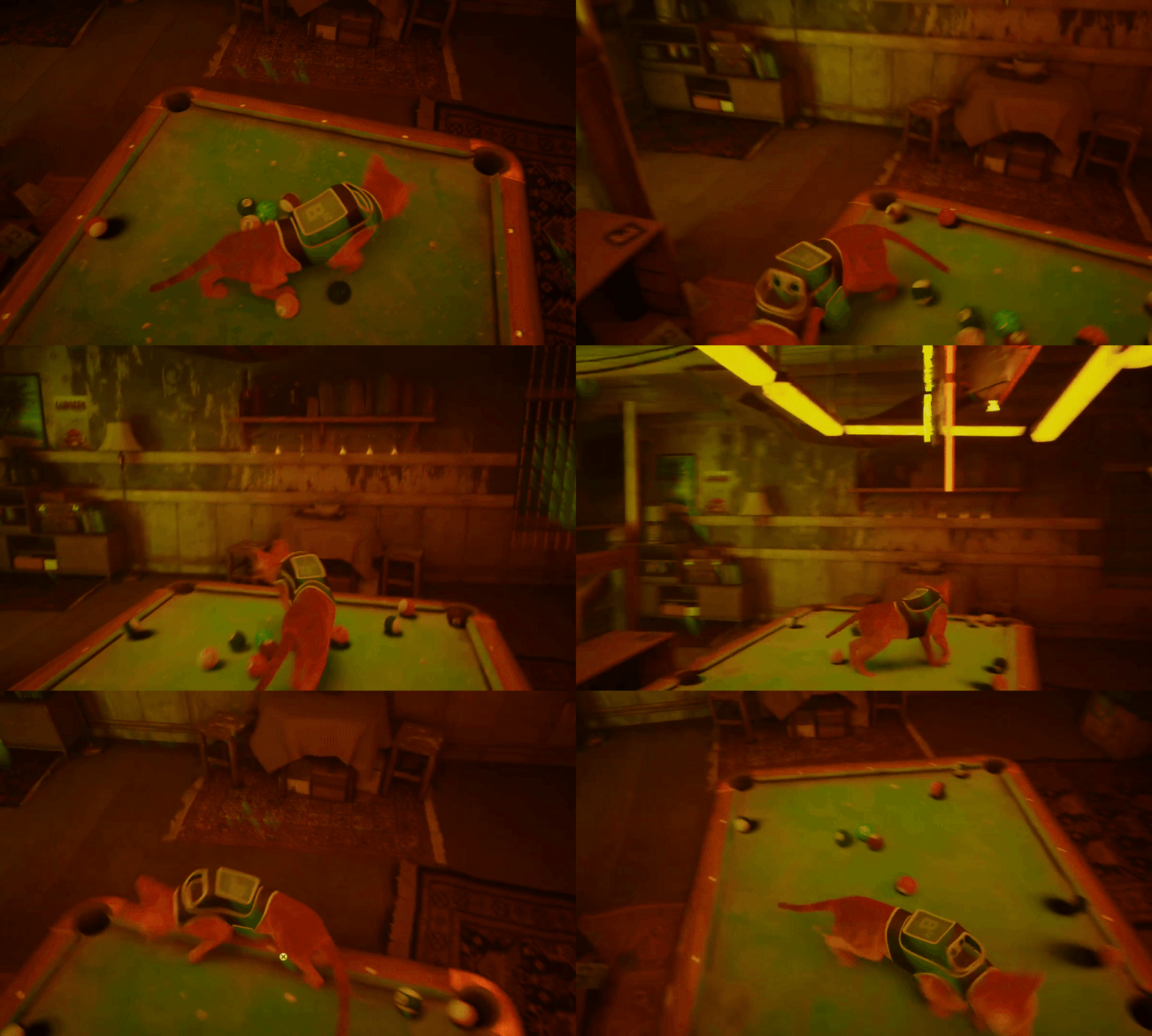
Speaking of physics, multiple objects can be knocked off tables or interacted with in general. Walls can be scratched, and bottles and billiard balls can be knocked off tables. If there’s spilt paint and Buttons walks through it, he’ll leave little pawprints behind. It’s an impressive level of detail and interactability.
While the world is well crafted, we need to take a look at Buttons himself, since his animations are extremely lifelike and make gameplay all the better.
During production, Annapurna put real cats into motion capture suits to record their movements and use them to animate Buttons. If the behind-the-scenes documentary was anything to go by, it was a difficult process (because they’re cats), but it paid off.
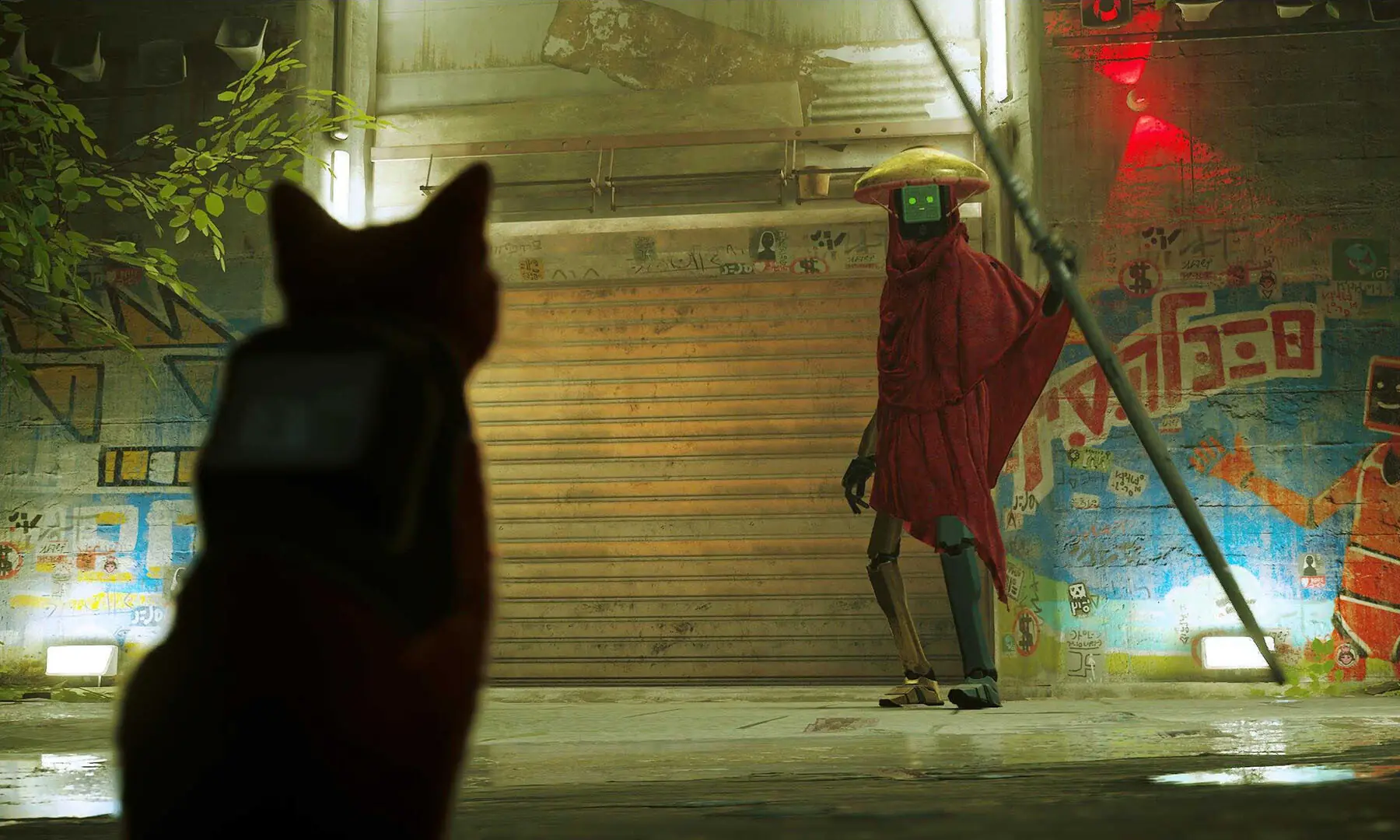
Running, jumping and other actions are well-animated, making this probably the best rendition of a cat in a game yet, purely from an animation and rendering standpoint. Even Buttons’ expressions, such as when he hisses at Zurks, are animated very well.
If Buttons rubs up against something or purrs, you can feel it through the PS5’s DualSense controller. With the haptic feedback, you feel the vibration only in certain spots. You can also hear purring and meows through the controller’s built-in speaker.
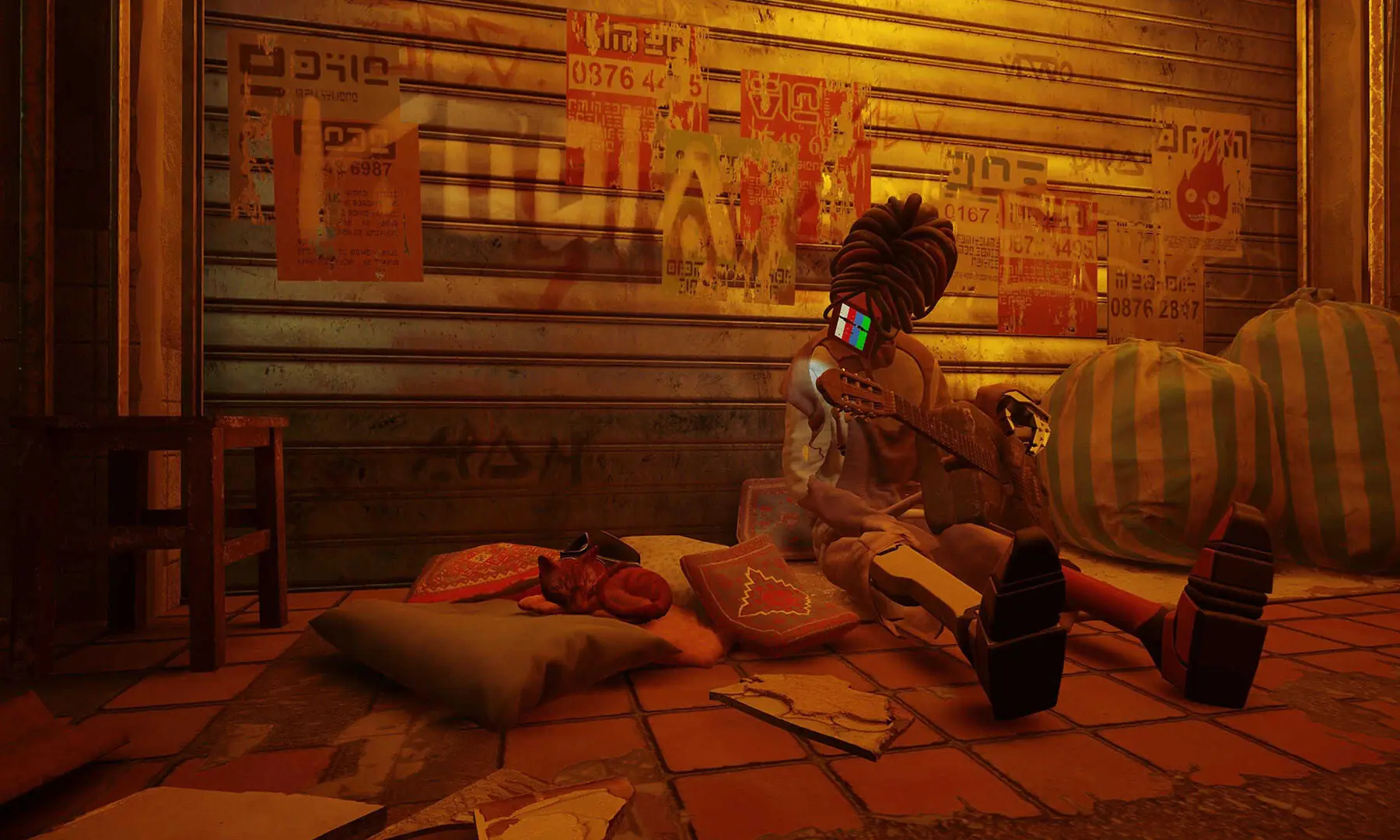
However, we can’t ignore B12. As Buttons’ companion throughout the game, he’s the player’s main source of backstory about the world, interacting with control panels and storing items. But their bond goes beyond that.
Throughout their journey, Buttons and B12 grow closer as they journey up through the various levels of the city and B12 regains his memories. The pair rescue each other on several occasions too, strengthening this bond as they try to escape the city. Again, no spoken dialogue, yet you can feel their chemistry.
Stray isn’t a perfect game by any means, but it’s one that I truly enjoyed and can recommend wholeheartedly.
It took me back to an era where gaming was simpler: there were no microtransactions, battle passes or other effects of corporate greed. It’s just you, a cat and a world to explore.
It’s a solid, well-animated experience that should be celebrated, even if it is a very short one. If you’ve got a PlayStation Plus subscription, download it; if you’re on Xbox or PC, bear in mind you’ll be paying $30 for a three-hour game.

.png)
Your trusted source for breaking news, in-depth analysis, and comprehensive coverage of today's most important stories.
Get daily updates on breaking news, exclusive interviews, and special features delivered to your inbox.
Have a news tip or want to get in touch with our editorial team? We're here to help.
Austin, Texas, USA