
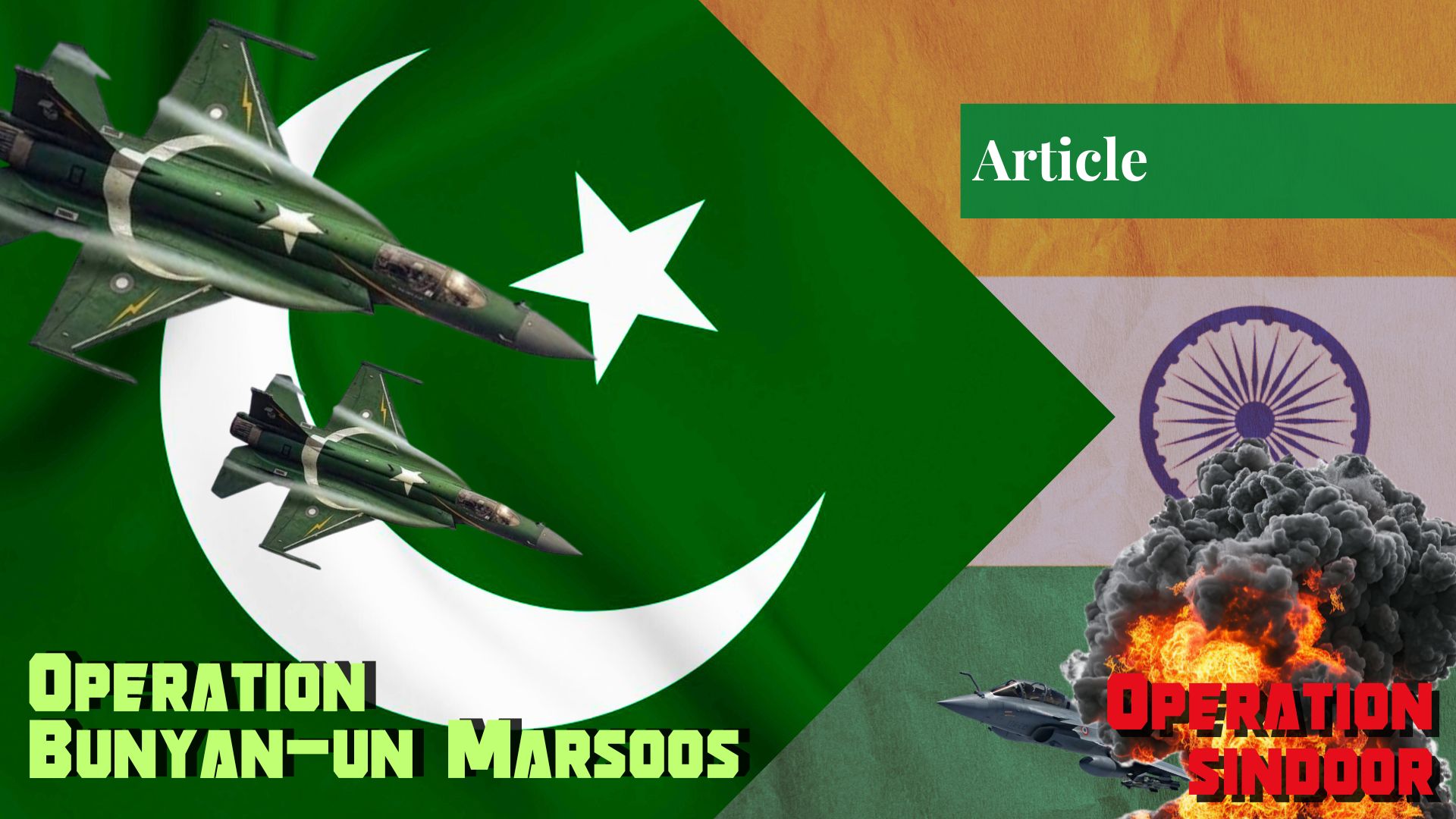
New Delhi/Islamabad, December 26, 2025 – Eight months after the brief but intense military standoff between India and Pakistan in May 2025 – triggered by a deadly terrorist attack in Pahalgam, Kashmir, that killed 26 civilians – analysts say the two nuclear-armed neighbors have experienced contrasting trajectories in their international reputations.
The four-day conflict, marked by missile strikes, drone warfare, and aerial engagements under Operations Sindoor (India) and Bunyan-um-Marsoos (Pakistan), ended with a U.S.-mediated ceasefire on May 10. Both sides claimed victory amid heavy disinformation, but the longer-term perceptual fallout has favored Pakistan while challenging India's standing, according to perception trackers monitoring media tone, diplomatic engagements, and think-tank commentary.
| Month (2025) | India (%) | Pakistan (%) | Key Drivers |
|---|---|---|---|
| May | +6 | -4 | India gains initial sympathy as victim of terrorism; Pakistan faces isolation blame. |
| June | +2 | +1 | De-escalation stabilizes views; ceasefire credited partially to both. |
| July | -3 | +3 | Scrutiny on civilian casualties in India strikes; Pakistan portrays restraint. |
| August | -5 | +4 | Reports of communal incidents and minority rights concerns in India dominate Western media. |
| September | -4 | +3 | Diaspora protests abroad amplify criticism of India; Pakistan's outreach improves image. |
| October | -6 | +2 | "Democratic backsliding" narrative intensifies for India amid internal security reports. |
| November | -7 | +1 | Minority protection issues headline global coverage on India; Pakistan seen as stable. |
| December | -4 | 0 | India's diplomatic efforts mitigate some damage; perceptions stabilize for both. |
Net Shift (May–December 2025):

Experts attribute India's perceptual decline to a shift in global focus from the initial "defensive response" framing to longer-term concerns over governance, minority rights, and civil liberties. High-profile coverage of alleged vandalization incidents, communal tensions, and press freedom debates – amplified by diaspora activism in the UK, Canada, and US – contributed to a narrative of "moral questioning" despite India's strategic importance as a counterbalance to China.
Pakistan, conversely, benefited from appearing "restrained" post-conflict, active diplomacy, and humanitarian messaging. While its economic challenges and historical security reputation persist, the crisis allowed Islamabad to project improved moral optics without major strategic losses.
Regional Breakdown:
"India retained short-term narrative control through military optics but lost ground on governance perceptions," said one South Asia watcher. "Pakistan gained reputational points without enhancing strategic clout – in essence, India kept power, Pakistan gained sympathy."
Geopolitical utility remains high for India in Western capitals, separating it from value-based critiques. Long-term recovery for India may hinge on internal reforms and narrative management, while Pakistan's gains could prove fragile amid ongoing economic pressures.
The standoff underscored evolving warfare – dubbed South Asia's "first drone war" – but also highlighted how post-conflict perceptions can reshape global alliances more enduringly than battlefield outcomes.


.png)
Your trusted source for breaking news, in-depth analysis, and comprehensive coverage of today's most important stories.
Get daily updates on breaking news, exclusive interviews, and special features delivered to your inbox.
Have a news tip or want to get in touch with our editorial team? We're here to help.
Austin, Texas, USA